Monday, November 25, 2024

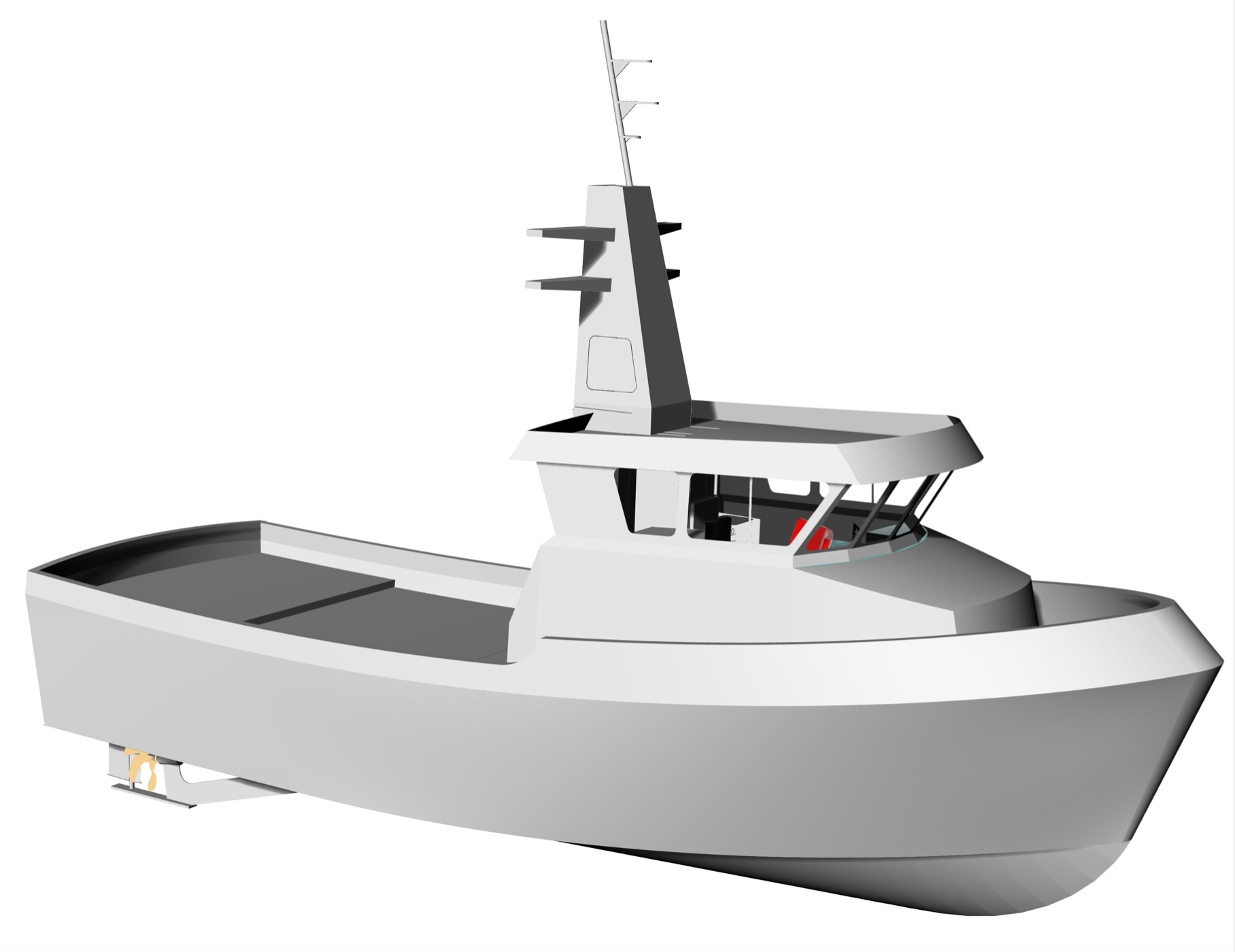
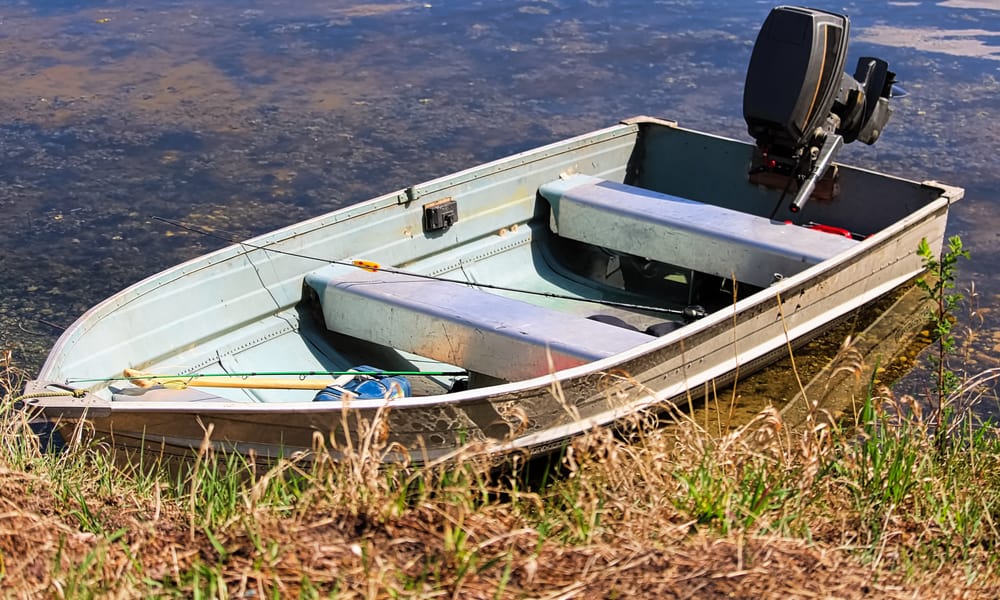
Aluminum Boat Plans for Crafting a Sleek, Modern Vessel

Aluminum Boat Plans for Crafting a Sleek, Modern Vessel

Aluminum Boat Plans: Beyond the Blueprint â€" Crafting a Sleek, Modern Vessel

Building a boat is a monumental undertaking, a blend of artistry and engineering. While countless resources detail traditional wooden boat construction, the world of aluminum boat building, especially with a focus on sleek, modern designs, remains relatively unexplored. This article delves into the less-trodden paths, addressing questions rarely asked and offering fresh perspectives for hobbyists, builders, and educators alike.

The Unsung Advantages: Why Aluminum?

Beyond the obvious strength-to-weight ratio, aluminum offers unique opportunities for design innovation rarely discussed. Let̢۪s explore some crucial aspects:

Q: How does aluminum̢۪s malleability impact design complexity?

A: Unlike wood, aluminum̢۪s malleability allows for intricate curves and compound angles that are difficult, if not impossible, to achieve with traditional materials. This opens doors to designs previously considered impractical, allowing for truly unique, aerodynamic hulls. Think about the possibilities: seamlessly integrated storage compartments, flowing deck lines, and even integrated seating formed directly from the aluminum sheet. The design limitations become far less restrictive.

Q: Can aluminum be used for sustainable boat building?

A: Absolutely. Aluminum is infinitely recyclable, significantly reducing the environmental impact compared to fiberglass or even sustainably sourced wood (considering harvesting, transportation, and processing). Choosing recycled aluminum further boosts its eco-friendly credentials. Furthermore, the durability of an aluminum hull reduces the long-term need for repairs and replacements, lessening the overall carbon footprint over the vessel's lifespan. Consider this the "green" choice for the modern boat builder.

Beyond the Plans: Innovative Techniques

Simply following plans isn̢۪t enough; innovation lies in the execution. Let's look at some advanced techniques:

Q: How can we improve on traditional riveting techniques?

A: While riveting remains a cornerstone of aluminum boat construction, exploring advanced techniques like flow-drilling (reducing material distortion) and blind riveting (for cleaner aesthetics) enhances both strength and visual appeal. Furthermore, the rise of robotic welding in industrial settings hints at the potential for more precise and efficient aluminum boat construction in the near future. This is an area ripe for experimentation and advancement.

Q: How can we incorporate advanced finishing techniques for sleek aesthetics?

A: Achieving a truly sleek finish on aluminum requires moving beyond basic painting. Techniques like powder coating provide superior durability and a wide array of colors, while anodizing offers a stunning, corrosion-resistant finish. Explore different texturing techniques as well to create unique visual elements. Think polished metal accents, contrasting anodized sections, and even inlaid materials for a completely bespoke look. Don't limit yourself to traditional boat finishes.

Real-World Inspiration: A Case Study

Imagine a young engineer, Sarah, inspired by the hydrodynamics of racing yachts, but passionate about environmentally conscious boat building. She̢۪s not using traditional wooden boat plans. Instead, she utilizes advanced CAD software to design a sleek, aluminum sailing dinghy with innovative features: a retractable keel, integrated solar panels seamlessly embedded into the deck, and a self-bailing system.

Sarah's success hinges on her understanding of aluminum̢۪s properties, her mastery of advanced joining techniques, and her commitment to sustainable practices. Her project becomes a testament to the potential of aluminum boat building, showcasing that the material, with the right expertise, can lead to visually stunning and environmentally responsible vessels.

Conclusion: Charting New Waters

Aluminum boat plans offer a unique pathway to constructing sleek, modern vessels. By embracing innovative techniques and pushing the boundaries of design, boat builders can create truly bespoke craft that are both visually appealing and environmentally responsible. The future of aluminum boat building is bright, offering exciting possibilities for hobbyists, professionals, and educators alike. It̢۪s time to set sail on a new wave of innovation.
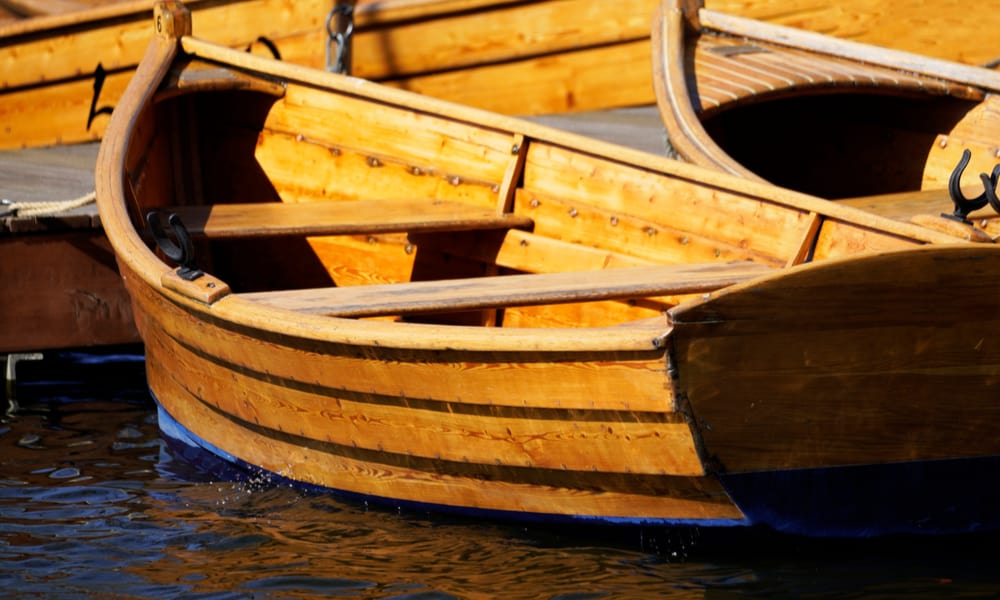
How to Build a Wooden Boat for Outdoor Adventures and Fun

How to Build a Wooden Boat for Outdoor Adventures and Fun

Beyond the Plans: Unveiling Hidden Gems in Wooden Boatbuilding

How to Build a Wooden Boat for Outdoor Adventures and Fun, while a valuable resource, often skims the surface of the truly fascinating aspects of wooden boat construction. This review delves deeper, exploring often-overlooked considerations and innovative approaches, focusing on the experience beyond the mere assembly of planks.

The Unsung Hero: Understanding Wood̢۪s Personality

Most guides treat wood as a uniform material. But seasoned boatbuilders know each piece whispers a story. Its grain, its knots, its inherent stressesâ€"these aren't imperfections; they're character. Ignoring these nuances leads to suboptimal results and potentially costly mistakes.

Q: How can I truly "read" a piece of wood before integrating it into my design?

A: Go beyond simply checking for cracks. Carefully examine the grain pattern for inconsistencies, paying close attention to the density variations. A magnifying glass helps spot subtle checks or hidden weakness. Even the scent can offer clues â€" a musty odor might indicate hidden rot. This intimate understanding allows for strategic placement, maximizing strength and minimizing waste. Consider sourcing wood from a local mill, where you can select pieces yourself and build a relationship with the supplier for future projects. This level of engagement elevates the craft from building to a collaborative partnership with nature.

Beyond the Blueprint: Embracing Adaptive Design

Rigid adherence to plans stifles creativity and can create problems when confronted with unexpected challenges, especially for beginners. The most successful boatbuilders are masters of improvisation.

Q: What if the wood doesn't quite meet the dimensions specified in the plans?

A: Don't panic! Minor variations are normal. Embrace the challenge. This is where your woodworking skills truly shine. Learn to adjust your cuts and joinery techniques to work *with* the wood, not against it. Consider this a chance to develop your problem-solving skills and to create a truly unique vessel. Remember, every wooden boat is a testament to the interaction between the builder and the material.

The Environmental Footprint: Sustainable Boatbuilding for the Future

The environmental impact of boatbuilding is rarely discussed. This is a critical area needing more focus.

Q: How can I minimize the environmental footprint of my boatbuilding project?

A: Choose sustainably harvested wood with proper certification (e.g., FSC). Minimize waste by carefully planning your cuts and utilizing scraps creatively. Explore eco-friendly finishes and glues, avoiding harsh chemicals. Consider the entire lifecycle of your boat, planning for responsible disposal or recycling when its time comes. Support local mills and businesses to reduce transportation emissions. By adopting these practices, you can build a boat that aligns with your commitment to environmental responsibility.

Beyond the Hull: The Community Aspect

Many find the most rewarding aspect of boatbuilding lies in the community. Sharing knowledge and skills, celebrating successes (and commiserating over failures) â€" this fosters a powerful sense of belonging.

Story: The Unexpected Mentor

One builder recounts how a seemingly minor problem with a difficult joint led him to a local boatbuilding club. There, an experienced craftsman, initially hesitant to share his knowledge, eventually became a mentor, shaping not only the boat's construction but also the builder's approach to woodworking. This unexpected mentorship extended beyond practical skills; it fostered a strong friendship and helped the builder develop a deeper appreciation for the community aspect of the craft.

In conclusion, while How to Build a Wooden Boat for Outdoor Adventures and Fun provides a solid foundation, a deeper dive into the nuanced aspects of wood selection, adaptive design, environmental consciousness, and community engagement elevates the experience from a simple project to a deeply rewarding and transformative journey.

Step-by-Step Guide to Building a Wooden Boat for Beginners

Step-by-Step Guide to Building a Wooden Boat for Beginners

Beyond the Plans: Unveiling Hidden Gems in Wooden Boat Building

Building a wooden boat is a journey, not just a project. While countless guides exist, many gloss over the nuanced challenges and unexpected joys. This review of "Step-by-Step Guide to Building a Wooden Boat for Beginners" delves beyond the standard instructions, exploring less-discussed aspects crucial for success and satisfaction.

The Unsung Heroes: Material Selection and Sourcing

Most guides focus on what wood to use, but rarely on where and how. This is a crucial area impacting both budget and the final product's quality.

Q: How can I source sustainable and affordable lumber?

A: Forget big-box stores entirely for premium wood. Explore local sawmills and reclaimed lumber yards. Not only will you often find superior quality and unique grains at better prices, but you'll also be supporting local economies and sustainable forestry. Consider joining woodworking forums or local clubs; seasoned builders often have leads on exceptional lumber sources.

Q: What about wood defects? Should I be concerned?

A: While knot-free lumber is ideal, embracing character is key. Minor imperfections can add unique charm. Learn to identify acceptable versus unacceptable defects. A slightly twisted board might find a perfect home in a less structural part of the boat, saving you money and reducing waste. This book should help you make better judgements.

Beyond the Blueprint: Adaptability and Personalization

Many beginners cling rigidly to plans, fearing deviation. But a truly rewarding build embraces personalization within reason.

Q: How can I make the boat truly "mine"?

A: This book is a strong foundation, but think beyond the illustrations. Incorporate unique design elements that reflect your style â€" a custom-carved tiller, a specific paint job, or even a subtly altered seating arrangement. Consider adding a personal touch through customized accents and inlays.

Story Time: The "Accidental" Stern

I once knew a builder who, while following plans meticulously, found a beautiful piece of reclaimed teak â€" a remnant from a demolished pier. He deviated slightly from the plans to incorporate this exceptional wood into the boat's stern, creating a truly stunning and unique feature. It taught him that adaptability can lead to unforeseen beauty.

The Silent Killers: Hidden Challenges and Solutions

Every build encounters unexpected hurdles. This book highlights common problems but could benefit from more in-depth troubleshooting.

Q: What are some unforeseen challenges rarely mentioned in beginner's guides?

A: Wood movement is a significant one. Temperature and humidity fluctuations can cause warping and cracking. The book touches on this, but more detailed explanations on preventative measures (proper acclimation, strategic joinery) would be beneficial. Also, epoxy application and avoiding air bubbles is often underestimated and should be given more attention.

Beyond the Build: Community and Continuous Learning

Wooden boat building isn't a solo endeavor. Connecting with a community of fellow builders is invaluable.

Q: How can I leverage the expertise of others?

A: Join online forums, attend local woodworking workshops, and seek out mentorship from experienced builders. This will save you countless hours of frustration and provide invaluable insights you won't find in any book. Many experienced boat builders are happy to share their knowledge and even offer hands-on assistance.

In conclusion, "Step-by-Step Guide to Building a Wooden Boat for Beginners" is a solid starting point, but its true value lies in sparking curiosity and encouraging builders to explore beyond the instructions. By embracing creativity, adapting to challenges, and engaging with a supportive community, the journey becomes far more rewarding than the destination itself.

Sunday, November 24, 2024

How to Design Your Own Stitch and Glue Boat with Custom Plans

How to Design Your Own Stitch and Glue Boat with Custom Plans

Beyond the Plans: Unlocking Hidden Potential in Stitch-and-Glue Boatbuilding

How to Design Your Own Stitch and Glue Boat with Custom Plans offers a gateway to a fulfilling craft. But what if we moved beyond simply following the instructions? What hidden efficiencies, creative solutions, and surprising material choices can elevate your project from a boat to a masterpiece? Let's explore some unconventional perspectives often overlooked in the typical stitch-and-glue guide.

Beyond the Textbook: Questioning the "Standard" Approach

Most stitch-and-glue guides present a linear, prescribed path. But what if we dared to deviate? This book encourages customization, but truly mastering it involves a deeper, more critical engagement with the design process.

Q: How can I optimize material choices beyond the recommended plywood?

A: The book rightfully focuses on marine-grade plywood, but consider alternatives for specific needs. For instance, using a combination of sustainably sourced plywood for the hull and a lighter, higher-strength composite like carbon fiber for structural reinforcement in critical areas like the keel can dramatically improve performance and reduce weight. Research shows that even a small amount of carbon fiber reinforcement can significantly enhance strength-to-weight ratios (see: Journal of Composite Materials, various issues on composite reinforcement). Experimenting with different wood species (consider lighter, stronger options like Okoumé) based on your climate and budget can also yield surprising results. Remember, responsible sourcing is paramount.

Q: Can I integrate sustainable and recycled materials into my stitch-and-glue project?

A: Absolutely! The beauty of stitch-and-glue is its adaptability. Research shows a growing interest in eco-friendly boatbuilding (source: various articles on sustainable boatbuilding practices found on websites like WoodenBoat). Consider using reclaimed wood (carefully inspected for rot and structural soundness), recycled epoxy, or even incorporating bio-based resins into your construction. This not only reduces your environmental impact, but can also lead to unique aesthetics and a deeper connection to your craft.

The Unexpected Advantages of a Holistic Approach

Building a boat isn't just about following plans; it̢۪s about understanding the underlying principles of naval architecture and materials science.

Story: The "Accidental" Hydrodynamic Optimization

A friend of mine, a seasoned woodworker, deviated slightly from the provided plans for his dinghy, subtly shaping the hull based on his intuitive understanding of water flow. The result? A noticeable improvement in speed and efficiency, exceeding the book's projected performance. This underscores the value of understanding the physics behind your designâ€"allowing you to make informed decisions beyond the confines of pre-drawn lines.

Q: How can I use digital design tools to enhance my stitch-and-glue build?

A: While the book focuses on traditional methods, integrating 3D modeling software (like Fusion 360 or Tinkercad) can provide invaluable insights. You can visualize your design in 3D, test different configurations, and even generate optimized cutting patterns for your plywood, minimizing waste and maximizing efficiency. This allows for detailed virtual prototyping before even touching a single piece of wood, reducing the chances of costly mistakes.

Beyond the Boat: Expanding Your Skillset

Building a stitch-and-glue boat is a gateway to a world of skills. It̢۪s not just about woodworking; it's about problem-solving, engineering, and artistic expression.

  • Advanced Finishing Techniques: Explore beyond basic varnish. Learn about advanced techniques like epoxy coating, painting, and using environmentally friendly finishes that enhance both durability and aesthetics.
  • Rigging and Sailmaking (if applicable): If you're building a sailboat, delve deeper into the world of rigging. Understanding different sail types and materials allows you to optimize your boat’s performance and handling.
  • Integrating Electronics and Technology: Consider adding GPS tracking, depth finders, or other electronic systems to enhance functionality and safety. This adds an exciting tech element to the traditional craft.
  • How to Design Your Own Stitch and Glue Boat with Custom Plans is a solid foundation. But by embracing these unconventional perspectives and questioning the standard approach, you can transform the project from a construction exercise into a deeply rewarding and personally fulfilling creative journey.

    How to Make a Wooden Boat for Personal and Custom Use

    How to Make a Wooden Boat for Personal and Custom Use

    Beyond the Plans: Unveiling Hidden Gems in Wooden Boatbuilding

    Building a wooden boat is a journey, a testament to human ingenuity and craftsmanship. While numerous guides exist, "How to Make a Wooden Boat for Personal and Custom Use" (let's assume this is the title of a hypothetical book we're reviewing) typically focuses on the technical aspects. But what about the less tangible elements, the creative leaps, the unexpected challenges? This review dives into those often-overlooked aspects, offering fresh perspectives for seasoned builders and curious newcomers alike.

    The Unsung Heroes: Material Selection Beyond the Species

    Most guides detail the merits of oak, cedar, and mahogany. But what about sustainability? What about exploring less-conventional, locally-sourced timber? This is where the true artistry emerges.

    Q: How can I choose sustainable wood for my boatbuilding project?

    A: Instead of relying solely on commercially harvested hardwoods, research reclaimed lumber. Think old barns, demolished buildings, even responsibly managed urban forestry projects. Websites like the Forest Stewardship Council (FSC) can help you source sustainably harvested wood. This not only reduces your environmental impact but often reveals unique character and patinas in the wood, resulting in a truly one-of-a-kind vessel.

    Q: Can I use less traditional woods and still ensure structural integrity?

    A: Absolutely! Many local species, often overlooked, possess surprising strength-to-weight ratios. Consult with a structural engineer or experienced boatbuilder to determine the suitability of your chosen wood. Remember, clever joinery and design can compensate for any perceived shortcomings in a less traditional material.

    Beyond the Blueprint: Embracing Imperfection and Innovation

    We've all seen those pristine, factory-perfect boats. But the beauty of handcrafted wooden boats lies in their individuality. Let's celebrate the imperfections, the quirks that tell a story.

    The Story of "The Knotty Wanderer":

    I once met a boatbuilder who incorporated a large, prominent knot into his design, transforming what might have been a defect into a defining feature. He named his boat "The Knotty Wanderer," and it became a symbol of embracing the unexpected. This highlights the shift from seeing flaws as problems to viewing them as opportunities for unique design.

    Q: How can I incorporate imperfections into my design in a meaningful way?

    A: Don't fight the wood. Work with it. A knot can become a focal point, a crack can be filled with a contrasting resin creating an artistic element, and variations in wood grain can contribute to a boat’s visual appeal. Document these unique features â€" they add character and value.

    The Digital Craftsman: Integrating Technology

    While woodworking remains a deeply tactile craft, technology offers significant advantages. This isn't about replacing traditional skills, but enhancing them.

  • 3D Modeling Software: Design and refine your boat digitally before cutting a single piece of wood. This minimizes waste and allows for precise planning.
  • CNC Routers: For complex curves and repetitive tasks, CNC routers offer incredible precision and efficiency. They free up time for more intricate handwork.
  • Laser Scanners: Capture the exact dimensions of your lumber, minimizing material waste and ensuring perfect fits.
  • By incorporating these tools strategically, you can streamline the process while preserving the essence of handcrafted boatbuilding.

    Ultimately, building a wooden boat is a personal journey. "How to Make a Wooden Boat for Personal and Custom Use" (and this review) serves as a starting point. Embrace the unexpected, celebrate the imperfections, and let your creativity guide you. The result will be far more than just a boat; it will be a reflection of your passion, skill, and unique vision.

    How to Make a Wooden Boat with Custom Features and Design

    How to Make a Wooden Boat with Custom Features and Design

    Beyond the Plans: Unveiling Hidden Gems in Wooden Boat Building

    Building a wooden boat is a deeply rewarding undertaking, a journey blending artistry, engineering, and a healthy dose of grit. While countless books detail the "how-to," "How to Make a Wooden Boat with Custom Features and Design" (let's call it "the book") offers a springboard for exploration beyond the typical blueprints. This review delves into rarely discussed aspects, offering new perspectives for both seasoned shipwrights and enthusiastic novices.

    The Unsung Hero: Material Selection Beyond the Species

    The book rightly emphasizes wood selection, but often overlooks the nuanced impact of specific tree characteristics within a species. For instance, a sustainably harvested oak plank from a slower-growing forest might display superior density and rot resistance compared to a faster-growing counterpart, despite both being "white oak." This subtle difference could drastically affect the boat's longevity and performance. How can we access and utilize this level of granular data for optimized material choice?

    Q&A: Unlocking the Secrets of the Source

    Q: How can I find detailed information about the specific growth conditions of my lumber?

    A: Explore partnerships with lumber mills and sustainable forestry organizations. Many now provide detailed provenance reports, including soil type, growth rate, and even stress factors affecting the wood's cellular structure. These insights can significantly inform your boat's design and construction.

    Q: Is there a database or resource that compares the physical properties of wood from different sources?

    A: Not yet a comprehensive, publicly accessible database, but research initiatives are underway. In the meantime, connect with universities and research institutions specializing in forestry and materials science. Their expertise can offer invaluable guidance.

    Beyond the Fairing: Integrating Modern Technology for Superior Results

    Traditional boatbuilding relies heavily on skilled hands and intuitive feel, but incorporating modern technology can enhance precision and efficiency. The book hints at this, but doesn't delve deep enough into possibilities.

    Real-World Example: 3D Scanning and Digital Design

    Imagine using a 3D scanner to capture the exact shape of your hull planks before fairing, allowing for precise digital adjustments and simulations before any wood is cut. This minimizes waste and ensures a flawless finish. This level of digital precision is already being employed by some high-end boat builders, and it̢۪s readily accessible tech for hobbyists.

    List of Emerging Technologies for Boatbuilding:

    • 3D modeling software: Allows for intricate design and simulation.
    • CNC routing: For precise cutting of complex shapes.
    • Laser scanning: For detailed measurement and dimensional analysis.
    • Finite element analysis (FEA): To predict structural performance under stress.

    The Sustainability Equation: Eco-Conscious Boatbuilding

    Building a wooden boat is inherently linked to the environment. The book touches upon sustainable sourcing, but the environmental footprint extends far beyond the wood itself. What about the adhesives, finishes, and even the energy consumed during the build process? This is a critical area often overlooked.

    Consider these questions: Can you source low-VOC (volatile organic compound) adhesives and finishes? Can you minimize energy consumption through efficient workshop practices? Can you explore recycled or repurposed materials for non-structural elements?

    The future of wooden boatbuilding involves a holistic approach, integrating sustainable practices throughout the entire lifecycle, from material sourcing to boat disposal. This requires a conscious effort and creative problem-solving, making the building experience even more meaningful.

    In conclusion, while "How to Make a Wooden Boat with Custom Features and Design" provides a strong foundation, this review highlights the potential for a deeper, more nuanced exploration. By embracing emerging technologies, prioritizing sustainable practices, and delving into the granular details of material science, we can elevate the art of wooden boatbuilding to new heights. It's a journey not just of craftsmanship, but of innovation and environmental stewardship.

    Wooden Boat Plans for Crafting a Beautiful Watercraft

    Wooden Boat Plans for Crafting a Beautiful Watercraft

    Beyond the Blueprint: Unveiling Hidden Potential in Wooden Boat Plans

    Building a wooden boat is a journey â€" a blend of artistry, engineering, and sheer grit. While countless resources detail the *how* of boat construction, we often overlook the nuanced *why* and the often-untapped creative potential within those seemingly rigid wooden boat plans. This article delves into lesser-explored aspects, offering fresh perspectives for both seasoned builders and enthusiastic novices.

    The Unsung Symphony of Wood Selection: Beyond the Species

    Most plans specify wood types (oak, cedar, mahogany...). But what about the individual characteristics within each piece?

    Q: How can wood grain influence design choices?

    A: Instead of simply following the plan's suggested species, consider the unique grain patterns of your lumber. A particularly striking burl, for instance, could inspire a unique decorative element, perhaps integrated into a transom or gunwale. The grain's direction can also impact the strength of certain joints. A tighter grain might allow for thinner stock in less critical areas, reducing weight and improving maneuverability. This requires careful consideration of structural integrity, but opens the door for innovative lightweight designs.

    Q: How can I source sustainably harvested wood specifically for my project?

    A: The environmental impact of boatbuilding is rarely discussed. Researching sustainable forestry practices and sourcing wood from certified suppliers is crucial. Organizations like the Forest Stewardship Council (FSC) offer certifications that guarantee responsible harvesting. This adds a layer of ethical responsibility to your project and reduces your ecological footprint. It might even inspire modifications to the plan, prioritizing smaller, lighter timbers.

    Reimagining the Design: Adapting Plans for Modern Needs

    Wooden boat plans, while invaluable, aren't set in stone. The beauty lies in thoughtful adaptation.

    Q: Can I integrate modern materials without compromising the aesthetic?

    A: Absolutely! Consider using modern epoxy resins for stronger, lighter joints. Carbon fiber reinforcement in critical areas could increase durability without significantly altering the traditional look. This blend of classic craftsmanship with modern materials adds a unique dimension to your project. For example, incorporating a lightweight, carbon-fiber reinforced keel could improve the boat's performance and efficiency.

    Q: How can I personalize a design using readily available modern tools?

    A: Computer-aided design (CAD) software can be used to tweak existing plans. You could optimize hull shape for better hydrodynamic performance or adjust interior layout based on your specific needs (e.g., adding fishing rod holders or specialized storage). 3D printing can also create custom components that would otherwise be difficult to fabricate. This allows for highly personalized boats reflecting your unique use case.

    The Narrative of Construction: Documenting Your Journey

    Beyond the finished product, the *process* is a significant aspect of wooden boatbuilding.

    Story Example: Imagine a builder meticulously documenting their project with high-quality photography and videography, creating a time-lapse of the construction process. This documentation could then be shared online, creating a valuable learning resource for others. They could even create a blog or vlog, discussing their challenges, solutions, and the lessons learned. This adds immense value beyond the final boat, contributing to a larger community of builders and enthusiasts.

    Building a wooden boat is a testament to human ingenuity and patience. By embracing these less-discussed aspects, you̢۪ll not just build a boat, but create a unique and meaningful experience.

    Resources:

    • Forest Stewardship Council (FSC): www.fsc.org
    • Boatbuilding educational institutions (search online for local options)
    • Online woodworking communities and forums

    Rowing Boat Plans for Eco-Friendly and Sustainable Builds

    Rowing Boat Plans for Eco-Friendly and Sustainable Builds

    Rowing Boat Plans for Eco-Friendly and Sustainable Builds

    Hey there, fellow boat enthusiasts and woodworking wizards! Ever dreamt of building your own rowing boat, but felt a little… guilty about the environmental impact? Well, you're in luck! This guide dives into crafting eco-friendly and sustainable rowing boats, perfect for hobbyists, educators, and anyone who appreciates a good, green project.

    Choosing Sustainable Materials

    The key to an eco-friendly boat lies in the materials. Let's explore some excellent, planet-friendly options:

    Bamboo

    Bamboo is incredibly strong, lightweight, and incredibly sustainable. It grows rapidly and requires little to no pesticides or fertilizers. Plus, it looks fantastic! You can find bamboo in various forms, from whole poles to laminated sheets, depending on your design.

    Recycled Plastics

    Give plastic waste a new life! Recycled plastics, often in the form of high-density polyethylene (HDPE), can be molded or layered to create durable boat hulls. This is a fantastic way to reduce landfill waste and create a surprisingly strong structure.

    Sustainable Woods

    While not all wood is created equal, responsibly sourced hardwoods like cedar or sustainably harvested pine can be excellent choices. Always ensure your wood comes from certified sustainable sources to avoid contributing to deforestation.

    Design Considerations for Eco-Friendly Rowing Boats

    Beyond the materials, smart design choices amplify your boat̢۪s eco-friendliness:

    Minimalist Design

    Keep it simple! A streamlined design reduces material use and weight, leading to less energy consumption during construction and use.

    Lightweight Construction

    A lighter boat means you'll need less material, which translates to lower environmental impact. Consider using lightweight, yet strong, materials and techniques.

    Durable Build

    A well-built boat will last longer, reducing the need for frequent replacements and minimizing waste in the long run. Invest time in quality craftsmanship.

    Building Your Eco-Friendly Rowing Boat

    Building your boat is where the fun really begins! Here are some tips to keep your project eco-conscious:

    • Reduce waste: Plan carefully, use efficient cutting techniques, and find creative uses for scraps.
    • Use non-toxic finishes: Opt for natural oils or water-based sealants instead of harsh chemicals.
    • Support local businesses: Source your materials from local suppliers whenever possible to reduce transportation emissions.
    • Recycle and reuse: Don't throw away anything you can repurpose or recycle.

    Resources and Further Learning

    Need some extra guidance? Check out these fantastic resources:

    • Your local library â€" often has boat building books and plans.
    • Online forums and communities â€" connect with fellow boat builders and share tips.
    • Boat building schools and workshops â€" hands-on learning is invaluable.

    Commonly Asked Questions

    Here are some questions I frequently get asked:

    How much does it cost to build a sustainable rowing boat?

    The cost varies depending on the materials and complexity of the design. But generally, building your own will likely be cheaper than buying a commercially produced boat.

    How long does it take to build a rowing boat?

    This depends on your experience and the boat's complexity. Expect to dedicate several weeks or even months to the project.

    What tools do I need?

    The necessary tools depend on your design and materials. But you'll likely need saws, chisels, clamps, and various hand and power tools.

    So, what are you waiting for? Grab your tools, choose your materials, and let's build some amazing, eco-friendly rowing boats!

    Essential Materials to Build a Wooden Boat That Lasts

    Essential Materials to Build a Wooden Boat That Lasts

    Building a Wooden Boat That Will Stand the Test of Time: Essential Materials

    Hey there, fellow boat builders and woodworking enthusiasts! So you're dreaming of crafting your own wooden boat â€" something beautiful, durable, and maybe even a little bit legendary. That's awesome! Building a boat is a challenging but incredibly rewarding project. Let's dive into the essential materials you'll need to make sure your creation lasts for years to come.

    The Heart of the Matter: Choosing Your Lumber

    The wood you choose forms the very soul of your boat. Don't skimp here! The right wood makes all the difference in durability, longevity, and even the aesthetic appeal of your finished product.

    Top Choices for Boatbuilding:

    • Cedar: Lightweight, rot-resistant, and relatively easy to work with, cedar is a popular choice for many boat projects, especially smaller ones. It's also naturally beautiful.
    • Oak: Strong, durable, and water-resistant (especially white oak), oak is ideal for parts that need to withstand significant stress, like the keel or frames.
    • Mahogany: A classic choice for its strength, beauty, and natural resistance to rot and decay. It's a bit more expensive, but the results are stunning.
    • Teak: Incredibly durable and naturally resistant to marine borers, teak is a top-tier choice if you want a boat that will last for decades. It's also pricey and can be challenging to work with.

    Remember to source your lumber from reputable suppliers who can guarantee the quality and dryness of the wood. Avoid wood with knots, cracks, or other imperfections that could compromise the strength of your boat.

    Beyond the Wood: Essential Fasteners and Adhesives

    It's not just about the wood; you need the right hardware to hold everything together. Choosing the wrong fasteners can lead to leaks and structural failures.

    Key Materials:

    • Marine-grade fasteners: These are specifically designed to resist corrosion from saltwater and other environmental factors. Don't use regular hardware!
    • Epoxy resin and hardener: Epoxy is a fantastic adhesive for boatbuilding, offering exceptional strength and water resistance. It's crucial for bonding wood and creating a strong, waterproof seal.
    • Boatbuilding glue: A high-quality, water-resistant wood glue is essential for many joints. Look for something specifically formulated for marine use.
    • Fiberglass cloth and resin (optional): Adding a layer of fiberglass can significantly enhance the strength and water resistance of your boat, especially in areas prone to impact.

    Protecting Your Investment: Finishes and Coatings

    Once your boat is built, protecting it from the elements is critical. A good finish not only enhances the appearance but also prevents rot, decay, and damage from UV rays.

    Popular Choices:

    • Marine varnish: Provides a beautiful, glossy finish that protects against water and UV damage. It requires regular maintenance, however.
    • Marine paint: Offers excellent protection and is available in various colors and finishes. It’s often more durable than varnish but may not be as aesthetically pleasing to everyone.
    • Oil-based finishes: Some builders favor oil-based finishes for their penetrating quality and natural look, but they usually need more frequent maintenance.

    Don't Forget the Extras!

    Finally, remember these crucial extras:

    • Plans and designs: Unless you're an experienced boatbuilder, you'll need detailed plans. Choose a design appropriate for your skill level.
    • Tools: You'll need a range of woodworking tools, from hand planes to power tools like saws, drills, and sanders.
    • Safety gear: Always prioritize safety. Wear appropriate safety glasses, ear protection, and dust masks.

    Frequently Asked Questions (FAQs)

    Q: What type of wood is best for a beginner boat builder?

    A: Cedar is a great starting point. It's relatively easy to work with and offers good rot resistance.

    Q: How long does it take to build a wooden boat?

    A: It depends heavily on the size and complexity of the boat, as well as your experience. It can range from a few weeks to several years.

    Q: Can I use regular wood glue for boatbuilding?

    A: No, you should always use marine-grade glue specifically designed for exterior applications and water resistance.

    Q: Where can I find plans for building a wooden boat?

    A: There are many online resources and books dedicated to boatbuilding plans. Check out reputable boatbuilding websites and libraries.

    Happy building! Remember to research thoroughly, plan carefully, and take your time. Building a wooden boat is a journey, not a race. The satisfaction of seeing your creation glide across the water will be worth every hour of effort.

    Free Wooden Boat Plans for Beginners to Create Your Own Boat

    Free Wooden Boat Plans for Beginners to Create Your Own Boat

    Free Wooden Boat Plans for Beginners: Build Your Dream Boat!

    So, you've always dreamed of building your own wooden boat? It might sound daunting, but with the right plans and a little patience, it̢۪s totally achievable! This guide is packed with resources to help you get started, whether you're a seasoned woodworker or a complete beginner. We'll explore free boat plans specifically designed for novices, helping you navigate the exciting world of boat building.

    Finding the Perfect Free Wooden Boat Plans

    The internet is a treasure trove of free boat plans! However, sifting through the options can feel overwhelming. Here̢۪s what to look for when choosing your perfect project:

    Choosing the Right Boat Design

    Start by thinking about what kind of boat you want to build. A small dinghy is a great beginner project, requiring less time and material than a larger vessel. Consider these factors:

    • Size and dimensions: Smaller is generally easier!
    • Complexity of the design: Look for plans with clear, simple instructions.
    • Intended use: Fishing, paddling, or just leisurely cruising?

    Where to Find Reliable Plans

    Finding reputable sources is crucial. Don't just grab the first set of plans you see! Here are some places to start your search:

    • Online forums and communities: Boat building forums often have members who share their plans or recommend good resources.
    • Websites dedicated to boat building: Many websites offer free plans, sometimes with varying levels of detail.
    • Public libraries and educational institutions: Check with your local library or college â€" they might have resources or connections to boat building programs.

    Important Note: Always carefully review the plans before you start. Make sure you understand every step before cutting any wood!

    Essential Tools and Materials

    Building a boat requires specific tools and materials. While the exact requirements depend on your chosen plan, here̢۪s a general list to get you started:

    Tools

    • Hand saws and/or power saws: Essential for cutting wood to size.
    • Chisels and planes: For shaping and smoothing wood.
    • Drill and drill bits: For creating holes for fasteners.
    • Clamps: Many, many clamps! You'll need them to hold pieces together while the glue dries.
    • Measuring tools: Accuracy is key! Get a good tape measure, square, and level.

    Materials

    • Wood: The type of wood will depend on your plans, but marine-grade plywood is a common and durable choice.
    • Fasteners: Screws, bolts, and rivets are all likely to be needed.
    • Wood glue: A strong marine-grade wood glue is essential for creating strong joints.
    • Epoxy resin (possibly): Some designs may require epoxy for waterproofing.
    • Paint or varnish: Protect your finished boat from the elements.

    Tips for Successful Boat Building

    Building a boat is a rewarding experience, but it requires patience and attention to detail. Here are some tips to increase your chances of success:

    • Take your time: Rushing the process will likely lead to mistakes.
    • Follow the plans carefully: Each step is important!
    • Double-check your measurements: Accuracy is paramount in boat building.
    • Ask for help if you need it: Don’t hesitate to reach out to experienced boat builders for advice.
    • Enjoy the process!: Building your own boat is a fantastic achievement, so savor every moment.

    Frequently Asked Questions (FAQ)

    Q: Are there any free plans for kayaks or canoes?

    A: Yes! Many free plans exist online for both kayaks and canoes. Just search specifically for "free kayak plans" or "free canoe plans" to find suitable options for your skill level.

    Q: What is the best type of wood for a beginner boat builder?

    A: Marine-grade plywood is an excellent choice for beginners. It's readily available, relatively easy to work with, and durable enough to withstand the elements.

    Q: How long does it take to build a small wooden boat?

    A: The time required varies greatly depending on the boat's size and complexity, as well as your experience. A simple dinghy might take a few weeks, while more complex designs could take several months or even longer.

    Q: Where can I find more advanced boat building plans?

    A: Once you̢۪ve gained some experience, you can explore more complex designs from books, magazines dedicated to boat building, or through paid online resources.

    Happy boat building!

    Friday, November 22, 2024

    How to Build a Wooden Duck Boat: DIY Guide for Hunters

    How to Build a Wooden Duck Boat: DIY Guide for Hunters

    Building Your Own Wooden Duck Boat: A Hunter's Guide

    Hey there, fellow duck hunters! Have you ever dreamt of gliding across the water in a boat you built yourself? It's not as hard as you might think. Building a wooden duck boat can be a rewarding experience, giving you a sense of accomplishment and a custom-made vessel tailored to your hunting needs. Let's dive into this exciting project together.

    Step 1: Choosing Your Wood and Design

    Before you start hammering and sawing, you need to pick the right materials and plan your design. This is the fun part where you get to personalize your boat.

    Choosing the Right Wood

    The classic choice for duck boats is marine-grade plywood. It's strong, durable, and resistant to water damage. You can also opt for cedar, which is lightweight and naturally rot-resistant. Some hunters prefer using mahogany for its beauty and durability, but it can be more expensive.

    Designing Your Boat

    There are endless possibilities for duck boat designs. You can find plans online or in books, or even create your own. Consider these factors:

    • Size: How many hunters and gear will you be carrying?
    • Shape: Do you want a wide, stable boat for rough waters, or a sleek, fast hull for open water?
    • Features: Think about built-in blinds, rod holders, and any other features that you need for your hunting style.

    Step 2: Gathering Your Tools and Materials

    Once you've got your plans and chosen your wood, it's time to gather the tools and materials. You'll need a good workshop space and some basic woodworking skills. Here's a list of essential tools:

    • Circular saw: For cutting the plywood into shape.
    • Jigsaw: For intricate cuts and curves.
    • Hand tools: Hammer, chisel, screwdriver, etc.
    • Sandpaper: To smooth out the wood.
    • Clamps: For holding pieces together while you work.
    • Wood glue: For bonding the wood pieces.
    • Marine-grade sealant: To protect the wood from water.
    • Paint or stain: For a durable finish.
    • Fasteners: Screws, nails, etc.

    Step 3: Building the Hull

    This is the core of your duck boat. Start by cutting the plywood sheets to the dimensions in your plans. Use the circular saw for straight cuts and the jigsaw for curved sections.

    Now, you'll assemble the hull pieces using wood glue and screws or nails. Be sure to use a good quality wood glue for a strong bond, and secure the pieces with clamps until the glue dries.

    Once the hull is assembled, carefully sand down any rough edges and imperfections. Make sure the surface is smooth and even.

    Step 4: Adding the Deck and Seats

    The deck provides a platform for you to stand or sit while hunting. Again, cut the plywood to the dimensions specified in your plans. Use wood glue and screws to attach the deck to the hull.

    Next, build your seats. You can use marine-grade plywood or even comfortable cushions for your hunting comfort.

    Step 5: Finishing Touches

    Now it's time to add some finishing touches that will make your boat both functional and attractive.

    Adding Features

    Install any additional features like rod holders, gun racks, or built-in blinds. You can also add a small storage compartment for your gear.

    Sealing and Painting

    Apply a good quality marine-grade sealant to the entire boat to protect the wood from water damage. Let it dry completely before applying your chosen paint or stain. This step is crucial to ensure your boat lasts for years to come.

    Step 6: Testing and Enjoying Your Duck Boat

    After the paint dries, it's time for the exciting part: testing your boat! Launch it into a calm body of water and check for any leaks or issues. Make any necessary adjustments before taking it out on a hunting trip.

    Congratulations! You've built your very own wooden duck boat. Now get out there and enjoy the fruits of your labor.

    Commonly Asked Questions

    Building your own boat can be a rewarding experience, but it also comes with questions. Here are some frequently asked questions about building a wooden duck boat:

    How long does it take to build a wooden duck boat?

    The time it takes to build a wooden duck boat depends on your experience level and the complexity of the design. A simple boat could take a few weeks to build, while a more complex design could take several months.

    How much does it cost to build a wooden duck boat?

    The cost of building a wooden duck boat depends on the type of wood, the features you include, and your own labor costs. You can expect to spend anywhere from a few hundred dollars to several thousand dollars. However, it's often cheaper than buying a pre-built boat.

    Do I need any special skills to build a wooden duck boat?

    While basic woodworking skills are helpful, you don't need to be a professional to build a wooden duck boat. You can learn as you go, and there are plenty of resources available to help you along the way.

    What if I make a mistake during the building process?

    Don't worry too much about mistakes. Everyone makes them. If you make a mistake, just fix it as best you can and keep going. The beauty of building your own boat is that you can always learn from your mistakes and improve your skills.

    Remember, building a wooden duck boat is a journey, not a race. Take your time, enjoy the process, and don't be afraid to ask for help when you need it. Happy hunting!

    How to Build a Wooden Dinghy: Easy and Affordable Plans

    How to Build a Wooden Dinghy: Easy and Affordable Plans

    Building a Wooden Dinghy: Easy and Affordable Plans

    Embark on a rewarding journey into the world of boatbuilding with this comprehensive guide to constructing your own wooden dinghy. This project, designed for affordability and ease, will equip you with the skills and knowledge to create a beautiful and functional vessel, perfect for leisurely paddling or exploring tranquil waters.

    Choosing the Right Dinghy Design

    Before diving into the build, select a dinghy design that aligns with your skill level, desired size, and intended use. Several excellent free and affordable plans are available online, catering to various preferences.

    Popular Dinghy Designs

    • The Simple Punt: A classic, flat-bottomed design, perfect for beginners. Its stability makes it ideal for fishing or leisurely paddling.
    • The Skiff: A versatile design with a slightly pointed bow and a shallow draft, suitable for exploring shallow waters and navigating small rivers.
    • The Dory: A traditional fishing boat with a wide, rounded hull, renowned for its seaworthiness and stability, even in choppy waters.

    Gathering Materials and Tools

    Once you have chosen a plan, gather the necessary materials and tools:

    Wood

    • Marine Plywood: Use marine-grade plywood for the hull and deck, ensuring durability and resistance to moisture.
    • Cedar or Mahogany: These hardwoods are commonly used for the gunwales, ribs, and keel, offering strength and a beautiful aesthetic.
    • Oak: Ideal for the transom, providing strength and stability.

    Hardware

    • Fasteners: Choose marine-grade screws and bolts for lasting strength and resistance to corrosion.
    • Oars and Oarlocks: Essential for rowing your dinghy.
    • Rowing Seat: Select a comfortable and sturdy seat.
    • Hardware for Rudder and Steering: Depending on your design, choose appropriate hardware for the rudder and steering system.

    Tools

    • Hand Tools: Hammers, saws, chisels, planes, and screwdrivers are essential for basic woodworking tasks.
    • Power Tools: A drill, circular saw, jigsaw, and sander will make the build significantly easier and faster.
    • Measuring Tools: A tape measure, ruler, and protractor are essential for accurate measurements and cutting.
    • Clamps: Various sizes and types of clamps are crucial for holding pieces securely during assembly.

    Building the Hull

    Start by building the hull, the foundation of your dinghy. This involves constructing the frames, planking the hull, and adding the keel.

    Constructing the Frames

    • Cut the Ribs: Using the plan as a guide, cut the ribs (also known as frames) from your chosen hardwood to the specified dimensions.
    • Shape the Ribs: Shape the ribs using a plane or sander to achieve the desired curve and fit them snugly against the molds or templates provided in your plan.
    • Assemble the Frames: Securely attach the ribs to the keel using screws or bolts, ensuring they are spaced correctly.

    Planking the Hull

    • Cut the Planks: Cut the marine plywood planks to the specified length and width, making sure they are slightly wider than the hull's width.
    • Fit the Planks: Carefully fit the planks to the frames, starting from the keel. Use clamps to hold the planks in place.
    • Attach the Planks: Secure the planks to the frames and keel with marine-grade screws or bolts, ensuring they are countersunk to avoid protruding into the hull's interior.

    Adding the Keel

    • Cut the Keel: Cut the keel from oak to the specified length and shape, using a saw and plane or sander.
    • Attach the Keel: Secure the keel to the bottom of the hull using marine-grade screws or bolts, making sure it is aligned correctly.

    Constructing the Deck and Finishing Touches

    Once the hull is complete, build the deck and add the final touches:

    Building the Deck

    • Cut the Deck Planks: Cut the marine plywood planks for the deck to the specified dimensions.
    • Fit the Deck Planks: Fit the deck planks to the hull, ensuring they are level and flush with the gunwales.
    • Attach the Deck Planks: Secure the deck planks to the hull and frames using marine-grade screws or bolts.
    • Install the Gunwales: Attach the gunwales to the hull and deck, using clamps and fasteners.

    Adding Finishing Touches

    • Install Oarlocks: Attach the oarlocks to the gunwales, ensuring they are securely mounted.
    • Install the Seat: Secure the rowing seat to the deck, making sure it is positioned comfortably.
    • Install the Rudder and Steering System: If your design includes a rudder and steering system, install them according to the plan's instructions.
    • Sand and Finish: Sand the entire dinghy smooth and apply a marine-grade varnish or paint to protect the wood and enhance its appearance.

    Launching Your Dinghy

    Once the construction is complete, launch your dinghy and enjoy the fruits of your labor. Test the boat in calm waters, ensuring everything is securely attached and functioning correctly. Celebrate your achievement and embark on thrilling adventures in your handcrafted wooden dinghy!

    Safety First

    While building a dinghy can be a rewarding experience, safety should always be a priority. Always follow the plans carefully, use proper tools and techniques, and wear appropriate safety gear when working with wood and power tools.

    Conclusion

    Building a wooden dinghy is a fulfilling project that combines woodworking skills with the thrill of creating a beautiful and functional vessel. By following these steps and choosing a plan that suits your abilities, you can embark on a journey of craftsmanship and enjoy the unique pleasure of sailing in a boat you built yourself.

    Houseboat Plans for Creating a Compact, Sturdy Floating Home

    Houseboat Plans for Creating a Compact, Sturdy Floating Home

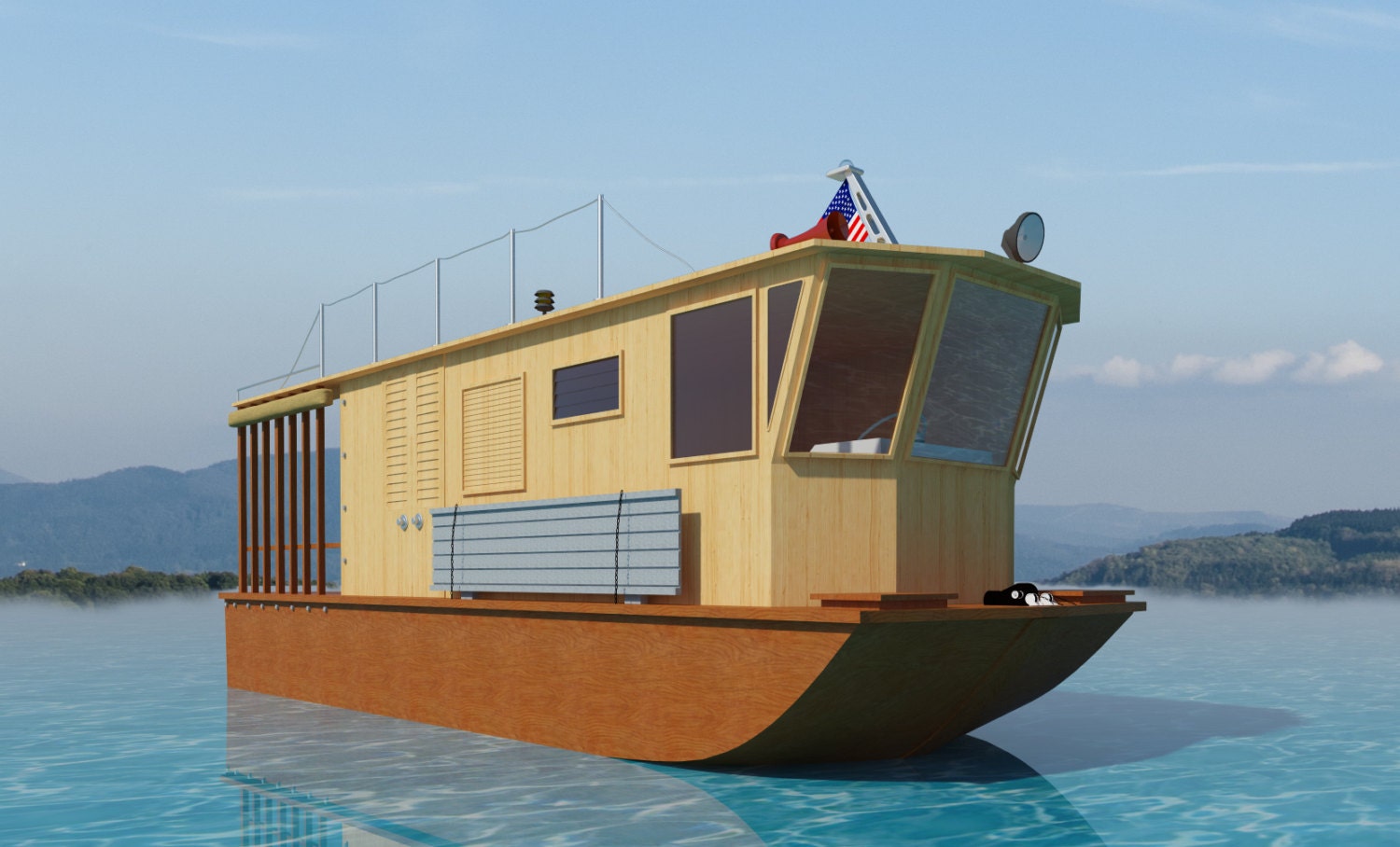
    Houseboat Plans for a Compact, Sturdy Floating Home

    Dreaming of a life on the water? A houseboat offers a unique and liberating lifestyle, allowing you to explore waterways, enjoy breathtaking views, and wake up to the gentle rocking of the waves. But before you set sail on your aquatic adventure, careful planning is crucial. Creating a compact and sturdy floating home requires meticulous attention to detail, from the hull design to the interior layout. This guide will walk you through the essential elements of houseboat plans for a cozy and durable sanctuary on the water.

    Choosing the Right Hull Design

    The foundation of your houseboat is the hull, which determines its stability, buoyancy, and resistance to waves. Here are some popular hull designs to consider:

    Pontoon Hulls

    Pontoon hulls are known for their stability and versatility. They typically consist of multiple pontoons, often made of aluminum or steel, connected by a deck. Pontoons provide a wide base, making the houseboat less prone to rocking and providing ample storage space below.

    Monocoque Hulls

    Monocoque hulls are single-piece structures, often constructed from fiberglass or steel. They offer a sleek, streamlined profile and are generally more fuel-efficient than pontoon hulls. However, they can be less stable in rough waters and may require more specialized construction techniques.

    Catamaran Hulls

    Catamaran hulls feature two parallel hulls, creating a wider footprint and providing excellent stability. They are often chosen for larger houseboats due to their spacious interior and ability to handle rough seas.

    Prioritizing Structural Integrity

    Ensuring the structural integrity of your houseboat is paramount. Here are some crucial considerations:

    • Materials: Choose durable and water-resistant materials for the frame, walls, and roof. Marine-grade plywood, treated lumber, and fiberglass are excellent options.
    • Framing: Use sturdy framing members to support the weight of the structure and resist flexing and twisting. Consider using steel or aluminum for added strength.
    • Insulation: Insulation is essential for creating a comfortable and energy-efficient living space. Choose moisture-resistant insulation materials suitable for marine environments.
    • Flooring: Opt for waterproof flooring materials that can withstand moisture and foot traffic. Vinyl, tile, or composite decking are popular choices.

    Optimizing Space in a Compact Layout

    Creating a functional and comfortable living space within a compact houseboat requires clever design solutions. Here are some tips to maximize space:

    Multifunctional Furniture

    Invest in furniture that serves multiple purposes, such as a sofa bed that converts into a guest bed or a dining table that folds down to create additional floor space.

    Vertical Storage

    Utilize vertical space for storage by incorporating shelves, cabinets, and overhead compartments. This helps keep belongings organized and out of the way.

    Open Floor Plan

    An open floor plan creates a sense of spaciousness. Consider removing walls to create a seamless flow between living areas.

    Essential Systems and Amenities

    A comfortable houseboat requires a variety of essential systems and amenities:

    Water and Sewage Systems

    Install a reliable freshwater system with storage tanks and a water heater. A holding tank for wastewater and a pump-out system are also necessary.

    Electrical System

    Provide adequate electrical power with solar panels, generators, and a battery bank. A reliable electrical system is crucial for lighting, appliances, and comfort.

    Heating and Cooling

    Consider installing a heating and cooling system to maintain a comfortable temperature year-round. Choose systems designed for marine environments.

    Safety and Regulations

    Safety and compliance with regulations are paramount. Here are some important considerations:

    • Fire Safety: Equip your houseboat with fire extinguishers, smoke detectors, and a fire suppression system. Ensure proper ventilation.
    • Navigation Lights: Install proper navigation lights to make your houseboat visible at night.
    • Life Jackets: Always keep enough life jackets on board for every person.
    • Local Regulations: Familiarize yourself with local regulations for houseboats, including registration, mooring, and wastewater disposal.

    Building a compact, sturdy houseboat requires careful planning, skilled craftsmanship, and a commitment to safety. By following these guidelines and working with experienced professionals, you can create a unique and comfortable floating home that allows you to embrace a life on the water.

    Building a Wooden Duck Boat for Hunting and Fishing

    Building a Wooden Duck Boat for Hunting and Fishing

    Building a Wooden Duck Boat for Hunting and Fishing

    A wooden duck boat, with its timeless elegance and unparalleled performance, is a dream for many waterfowlers and anglers. Building one yourself is an immensely rewarding experience, blending craftsmanship with the satisfaction of creating a custom vessel perfectly tailored to your needs. This article will guide you through the process of constructing your own wooden duck boat, from design to finishing, ensuring you have a reliable and beautiful companion for your adventures on the water.

    Choosing the Right Design

    The first step in building your duck boat is choosing the right design. Consider your intended use â€" duck hunting, fishing, or a combination of both â€" and the size and weight capacity you require. You can find numerous free plans online or purchase detailed blueprints from reputable boatbuilders.

    Research different hull shapes like the traditional “V-hull” for stability in rough waters or the flatter “tunnel hull” for shallow water access. Consider the length, beam, and draft, ensuring they align with your desired performance and the waterways you’ll navigate. Additionally, factor in the materials you plan to use â€" traditional wood like cedar or mahogany or more modern options like plywood â€" as they influence the weight, durability, and overall aesthetics of your boat.

    Gathering the Materials

    Once you have your design finalized, gather all the necessary materials. This includes:

    • Wooden planks or plywood, depending on your chosen design
    • Marine-grade plywood for the bottom and transom
    • Wooden stringers and ribs for structural support
    • Fasteners like screws, nails, and epoxy
    • Fiberglass cloth and resin for added strength and water resistance
    • Paint, varnish, and sealant for protection and finishing
    • Hardware for seats, oarlocks, and any other desired features

    It's crucial to source high-quality materials, especially for the hull, to ensure the boat's longevity and stability. Don't skimp on the quality of your wood, as this will significantly impact the final product's performance and lifespan.

    Constructing the Hull

    The construction of the hull is a crucial part of the process. Carefully follow your chosen plans, ensuring accurate measurements and precise cuts. Begin by building the frame, using stringers and ribs to create the skeletal structure of the boat. Attach these to the transom, which will be the stern of your boat and provide crucial support.

    Next, carefully lay the planks or plywood sheets onto the frame, ensuring they are properly spaced and aligned. This step may require specialized tools like a boatbuilding jig and clamps. If using traditional planks, you̢۪ll need to carefully join them together, using techniques like scarf joints or lap joints, for a smooth and watertight hull.

    Adding Strength and Protection

    Once the hull is assembled, it needs to be reinforced and protected. This involves applying fiberglass cloth and resin to the entire surface. This layer, known as “glassing,” adds significant strength and water resistance. Be sure to use marine-grade epoxy for optimal protection against the elements.

    After the fiberglass has cured, you can begin the finishing process. Smooth out any rough edges and imperfections using sandpaper. Apply a few coats of marine-grade paint, varnish, or sealant to protect the wood and give your boat a beautiful and durable finish.

    Finishing Touches

    Now that your boat is structurally sound and protected, you can add the final touches. Install seats, oarlocks, and any other desired hardware. Consider adding non-slip surfaces to the deck for safety.

    Finally, consider adding a custom nameplate or decorative elements that reflect your personality and love for the sport. Your wooden duck boat is now ready to take you on unforgettable hunting and fishing adventures. Remember, building a boat is a labor of love that takes time and patience. Be sure to document your progress and enjoy the journey of creating your own unique and functional masterpiece.

    How to Build a Wooden Canoe: A Beginner̢۪s Guide

    How to Build a Wooden Canoe: A Beginner’s Guide

    How to Build a Wooden Canoe: A Beginner's Guide

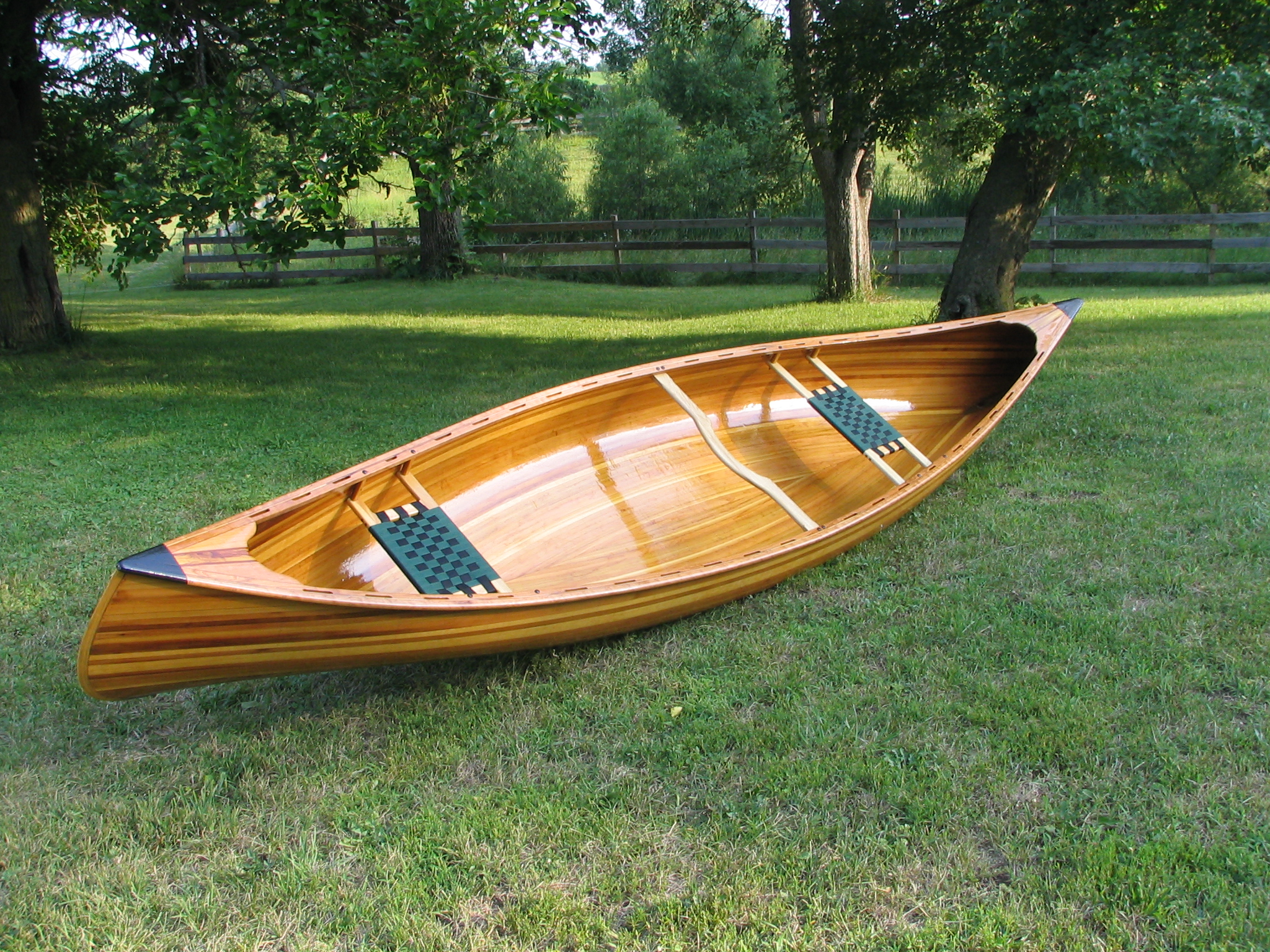
    Crafting a wooden canoe is a rewarding endeavor, combining traditional woodworking techniques with a touch of artistry. While it may seem daunting at first, this comprehensive guide will equip you with the knowledge and skills necessary to embark on this exciting journey. From selecting materials to mastering essential skills, we'll provide step-by-step instructions for building a beautiful and functional canoe.

    Choosing the Right Wood

    The choice of wood is paramount in canoe construction, impacting both the canoe's durability and aesthetics. Here's a breakdown of popular choices:

    Cedar

    Lightweight, aromatic, and naturally resistant to rot, cedar is a classic choice for canoe construction. Its light color and beautiful grain pattern enhance the canoe's visual appeal. However, cedar is relatively soft, requiring careful handling during construction.

    Spruce

    Another popular choice, spruce offers a good balance of strength and lightness. Its straight grain and even texture make it relatively easy to work with. Spruce is slightly heavier than cedar but provides greater durability.

    White Pine

    White pine is an excellent option for its workability and strength. Its soft texture allows for easy shaping, while its inherent strength ensures a sturdy canoe. However, white pine is prone to moisture damage, requiring proper maintenance.

    Essential Tools and Equipment

    Before you begin, ensure you have the following tools and equipment on hand:

    • Hand plane: For smoothing and shaping wood.
    • Chisels: For cutting and shaping wood.
    • Saw: A handsaw or a circular saw for cutting lumber.
    • Hammer: For driving nails and securing parts.
    • Screwdriver: For assembling components.
    • Clamps: For holding parts securely during assembly.
    • Measuring tape: For accurate measurements.
    • Level: For ensuring even surfaces.
    • Sandpaper: For smoothing and finishing the canoe.
    • Epoxy resin: For bonding and sealing wood.
    • Fiberglass cloth: For adding strength and water resistance.
    • Paint or varnish: For protecting the wood from weather elements.

    Canoe Construction Process

    Building a wooden canoe involves several key steps:

    1. Design and Plans

    Begin by selecting a design plan for your canoe. Numerous plans are available online and in books, catering to different lengths, widths, and styles. Ensure the plan is detailed and includes dimensions, materials, and construction instructions.

    2. Cutting and Shaping

    Cut and shape the wood according to the plan. This step requires precision and patience. Use hand planes, chisels, and saws to achieve the desired shape. Ensure all parts fit perfectly before proceeding.

    3. Stems and Ribs

    The stems are the forward and aft ends of the canoe, providing shape and strength. The ribs, also known as frames, form the canoe's curvature. These components are carefully joined to the planking using epoxy resin and clamps.

    4. Planking

    The planking forms the canoe's hull and is attached to the ribs. Start with the bottom planking, working your way up the sides. Ensure the planking is properly aligned and secured with epoxy resin.

    5. Decks and Gunwales

    Once the planking is complete, install the decks, which provide a platform for seating and storage. The gunwales are the top edges of the canoe, adding strength and stability. Secure these components with epoxy resin and clamps.

    6. Finishing Touches

    Sand the entire canoe to a smooth finish, removing any imperfections. Apply multiple coats of epoxy resin to seal the wood and protect it from water damage. Finally, paint or varnish the canoe to enhance its appearance and provide additional protection.

    Tips for Successful Canoe Building

    • Invest in quality tools and materials. Using high-quality tools and materials will ensure a durable and aesthetically pleasing canoe.
    • Take your time and be patient. Canoe building is a time-consuming process. Do not rush any step, as haste can lead to errors.
    • Read and understand the plans thoroughly. Familiarity with the plans is crucial for accurate construction.
    • Use clamps liberally to ensure tight joints. Clamps are essential for maintaining proper alignment and securing components during assembly.
    • Sand and finish meticulously. A well-sanded and finished canoe will be more durable and visually appealing.

    Conclusion

    Building a wooden canoe is an enriching experience that combines traditional woodworking techniques with modern materials. By following this beginner's guide and practicing patience and precision, you can create a beautiful and functional canoe that will provide years of enjoyment. Remember to celebrate your accomplishment, for you have crafted a piece of history with your own hands.

    How to Construct a Wooden Canoe Hull with Free Plans

    How to Construct a Wooden Canoe Hull with Free Plans

    Building a Wooden Canoe Hull from Free Plans: A Journey of Craft and Adventure

    The allure of a wooden canoe is undeniable. The graceful lines, the scent of fresh wood, and the feeling of handcrafted quality all beckon you to the water. Building your own canoe from free plans is a rewarding experience, allowing you to connect with the craft tradition and create a vessel that reflects your unique vision. This article will guide you through the process, providing a comprehensive overview of the steps involved.

    Choosing the Right Plan

    The first step is to find a set of free canoe plans that suit your needs and skill level. Numerous websites offer free plans for various canoe designs, from simple, beginner-friendly models to more intricate, advanced designs. Consider factors like:

    • Length and width: Determine the desired size for your canoe based on your intended use, number of paddlers, and storage space.
    • Hull shape: Explore different hull designs, such as flat-bottomed, rounded, or V-shaped, to understand their performance characteristics in different water conditions.
    • Material requirements: Check the plan's specifications for the type and quantity of wood required, ensuring that you have access to the necessary materials.

    Once you've found a suitable plan, download and carefully review it. Familiarize yourself with the terminology, construction techniques, and any special instructions provided.

    Gathering Materials and Tools

    After choosing your plan, gather the necessary materials and tools. The plan will outline the specific types and quantities of wood required, along with any additional materials like epoxy, fiberglass cloth, and paint. You'll need tools such as:

    • Hand saws and power saws for cutting wood.
    • Planes and chisels for shaping and smoothing wood surfaces.
    • Measuring tapes, rulers, and squares for accurate measurements.
    • Clamps and vices for holding pieces together during construction.
    • Sandpaper, sanding blocks, and a sander for finishing the hull.
    • Brushes and rollers for applying epoxy and paint.

    Ensure you have a safe and well-lit workspace with adequate ventilation, especially when working with epoxy.

    Building the Canoe Hull: Step-by-Step

    The construction process can be broken down into several distinct stages:

    Cutting and Shaping the Planks

    Carefully cut the planks according to the plan's dimensions. Use a combination of hand saws and power saws to achieve precise cuts. After cutting, shape the planks to conform to the canoe's hull curvature using planes, chisels, and sanding tools. This is a meticulous process that requires patience and attention to detail.

    Joining the Planks

    Once the planks are shaped, join them together using a combination of wood glue, screws, and epoxy. Follow the plan's instructions for the specific joining method employed. Clamps and vices are essential for ensuring a secure and tight bond between the planks.

    Adding Ribs and Stems

    The ribs provide structure and support to the canoe's hull, while the stems define the bow and stern. Cut and shape the ribs and stems according to the plan's specifications. Attach them to the planking using wood glue, screws, and epoxy. Ensure the ribs are properly spaced and aligned to maintain the canoe's desired shape.

    Finishing the Hull

    Once the hull is assembled, sand it smooth with sandpaper and sanding blocks. This process removes any rough edges and prepares the surface for finishing. Apply several coats of epoxy to seal the wood and protect it from water damage. Then, apply a final coat of paint or varnish to provide a beautiful finish and further protect the hull.

    Launching Your New Canoe

    After allowing the final coats of epoxy and paint to cure properly, you're ready to launch your new canoe! Take it for a test paddle on calm waters, and gradually introduce it to more challenging conditions as you gain confidence. As you glide across the water in your handcrafted canoe, you'll savor the satisfaction of building something beautiful and functional with your own two hands.

    Safety and Maintenance

    Always prioritize safety when using your canoe. Wear a personal flotation device (PFD), and be aware of weather conditions. Regularly inspect your canoe for any signs of damage and repair them promptly. Maintain the epoxy and paint finish to keep your canoe looking its best and protecting it from the elements.

    Building a wooden canoe is a journey that combines craftsmanship, creativity, and a deep appreciation for nature. With patience, dedication, and the right tools, you can create a timeless vessel that will provide years of enjoyment on the water.

    Step-by-Step Fishing Boat Construction Plans for Beginners

    Step-by-Step Fishing Boat Construction Plans for Beginners

    Step-by-Step Fishing Boat Construction Plans for Beginners

    Hey there, fellow fishing enthusiasts! Ever dreamed of building your own fishing boat? It might sound daunting, but trust me, it's more achievable than you think, even for a beginner like yourself. I'm here to walk you through the process, step-by-step, with a whole lot of helpful tips and tricks along the way.

    Planning Your Fishing Boat

    Before you dive headfirst into the construction process, let's first take a moment to plan everything out. Think of it like mapping out your fishing trip, but for your boat instead. We'll cover the basics like size, type, and material. This will help us understand your needs and the construction process.

    1. Size and Type

    The first thing you'll want to consider is the size and type of boat you want to build. Are you planning on fishing solo in calm waters, or do you need a larger boat to accommodate friends and rougher conditions? Here are some popular types of fishing boats for beginners:

  • Jon Boats: Simple, flat-bottomed boats great for shallow water fishing. Easy to build, but generally smaller in size.
  • Pontoon Boats: Stable and spacious, perfect for larger groups. These have a more complex construction, but the wide, buoyant pontoons offer excellent stability.
  • Skiffs: Versatile and lightweight, suitable for a variety of fishing styles. These offer a good balance of stability and maneuverability.
  • 2. Materials

    The next step is choosing the right material for your boat. The most common materials for beginner boat builders include:

  • Plywood: Lightweight and affordable, but requires careful sealing for water resistance.
  • Fiberglass: Strong and durable, but requires specialized skills and tools. Fiberglass is considered more advanced for a beginner.
  • Aluminum: Very durable and lightweight, but can be more expensive than other options.
  • Gathering Your Tools and Materials

    Now that you've planned your boat, it's time to gather your tools and materials. Remember, you don't need to buy everything at once. Start with the essentials and add more as you progress.

    Essential Tools:

  • Saw (circular or jigsaw): Cutting wood to size.
  • Drill: Drilling holes for fasteners and other purposes.
  • Screwdriver: Securing wood pieces together.
  • Clamps: Holding pieces together during construction.
  • Measuring tape: Ensuring precise measurements.
  • Level: Making sure the boat is level and straight.
  • Sandpaper: Smoothing out rough edges and preparing surfaces for paint.
  • Safety Gear: Gloves, eye protection, and hearing protection are essential for safety.
  • Essential Materials:

  • Wood (if using plywood): Marine-grade plywood is best for boat building.
  • Fasteners: Screws, nails, and other hardware to hold the boat together.
  • Epoxy: Sealing and strengthening seams. Epoxy is very strong and waterproof.
  • Fiberglass (if using fiberglass): Fabric used to reinforce the boat's hull.
  • Paint: Protecting the wood and adding a finishing touch.
  • Step-by-Step Construction Process

    Alright, let's get into the fun part! Here's a step-by-step guide for building your fishing boat:

    1. Building the Hull

    This is the foundation of your boat, so take your time and be precise.

  • Cut out the hull panels: Use your plans as a guide and carefully cut out the plywood pieces for the bottom, sides, and transom.
  • Assemble the hull: Fit the panels together, making sure the edges are flush and square. Use clamps to hold the pieces together while you secure them with screws or epoxy.
  • Reinforce the hull: Add extra support beams or bulkheads to make the hull stronger and prevent flexing.
  • Seal the seams: Use epoxy to seal all seams and joints, creating a watertight hull. Allow the epoxy to cure completely before moving on to the next step.
  • 2. Building the Deck

    The deck is the upper part of your boat where you'll be standing, fishing, and relaxing. You'll need to create a strong and stable platform.

  • Cut and assemble the deck boards: Use your plans to cut the deck boards to size and assemble them, creating a strong and stable platform.
  • Attach the deck to the hull: Secure the deck to the hull using screws or epoxy. Make sure the connection is strong and watertight.
  • Add any necessary supports or beams: If your design calls for additional support beams or ribs, install them now, making sure they are securely attached to the deck and hull.
  • 3. Adding the Features

    Now comes the fun part! You can add any custom features that will enhance your fishing experience. Consider things like seating, storage compartments, and a fishing platform.

  • Install seating: Build or purchase seats that are comfortable and secure. Make sure the seats are well-supported and anchored to the deck.
  • Add storage compartments: Create storage spaces to hold your fishing gear, tackle boxes, and other essentials. Use plywood, fiberglass, or other durable materials for these compartments.
  • Build a fishing platform: For anglers who enjoy standing while fishing, a raised platform can provide a better vantage point and more stability.
  • 4. Finishing Touches

    Your fishing boat is almost complete! Take the time to add some finishing touches that will make it look great and protect it.

  • Sanding and smoothing: Sand down any rough edges and imperfections, creating a smooth surface. Use different grits of sandpaper to achieve a smooth finish.
  • Painting and sealing: Protect the wood with paint or sealant. Choose a paint or sealant that is durable and water-resistant.
  • Commonly Asked Questions

    Here are some common questions I often get asked:

    1. How much does it cost to build a fishing boat?

    The cost will vary depending on the size, materials, and complexity of your boat. A simple jon boat built with plywood could cost a few hundred dollars, while a larger pontoon boat made with fiberglass might cost several thousand.

    2. How long does it take to build a fishing boat?

    The time it takes to build a boat will depend on your experience, the complexity of the design, and the amount of time you can dedicate to the project. A simple jon boat could take a few weeks to build, while a larger boat might take several months.

    3. Do I need any special skills to build a boat?

    Basic woodworking skills are helpful, but not required. There are many resources available to help you learn along the way, like online tutorials, books, and even boat building classes.

    4. What if I make a mistake?

    Everyone makes mistakes, even seasoned boat builders. Don't be afraid to experiment and learn from your mistakes. Just remember to measure twice and cut once, and you'll be fine.

    Building your own fishing boat can be a challenging but rewarding project. It's a chance to create a custom-made boat tailored to your specific needs and preferences. And remember, with careful planning, attention to detail, and some patience, you can bring your fishing boat dreams to life!

    Wooden Rowboat Plans for Multi-Purpose Use

    Wooden Rowboat Plans for Multi-Purpose Use

    Wooden Rowboat Plans: Crafting a Versatile Watercraft

    Embrace the timeless allure of wooden boatbuilding and craft a versatile rowboat that seamlessly blends utility and craftsmanship. Whether you seek a tranquil escape on serene lakes, a reliable fishing companion, or a sturdy tender for your larger vessel, these plans guide you through every step of the construction process.

    Choosing the Right Design

    The journey begins with selecting the perfect rowboat design. Consider the intended use, desired size, and personal preferences. Do you envision a sleek, lightweight skiff for solo adventures or a roomy, stable craft for family outings? Popular options include:

    Traditional Dory

    A classic design known for its seaworthiness and stability, the dory boasts a wide, flat bottom and flaring sides. Ideal for fishing and coastal cruising.

    Lightweight Skiff

    Lightweight and nimble, the skiff excels in shallow waters and maneuvering tight spaces. It's perfect for solo paddling and exploring hidden coves.

    Punt

    A flat-bottomed boat with a square bow, the punt is known for its shallow draft and excellent stability. Ideal for leisurely rowing on canals and rivers.

    Gathering the Materials

    Once you've chosen a design, assemble the necessary materials. For a classic wooden rowboat, you'll need:

    • Wood: Select high-quality marine-grade plywood, cedar, or oak for the hull, ribs, and transom. Consider the wood's strength, water resistance, and aesthetics.
    • Fasteners: Marine-grade stainless steel screws and nails ensure long-lasting durability.
    • Epoxy: A strong and water-resistant epoxy resin for bonding the wood and protecting the hull.
    • Paint or Varnish: Choose a marine-grade finish that protects the wood from weather and UV damage.
    • Oars: Select lightweight and sturdy oars that are the appropriate length for your boat.
    • Rowlocks: Securely attach the oars to the rowboat using high-quality rowlocks.
    • Hardware: Gather essential hardware such as cleats, rings, and a thwart (seat) to complete the boat's functionality.

    Building the Rowboat: A Step-by-Step Guide

    With the materials gathered, begin the construction process, carefully following the plans and using precise measurements:

    1. Cut the Wood: Utilize accurate cutting tools to shape the hull, ribs, and transom according to the plans.
    2. Assemble the Frames: Connect the ribs to the transom, forming the boat's skeletal structure.
    3. Attach the Planking: Securely fasten the plywood or wooden planks to the frames, creating the watertight hull.
    4. Epoxy and Sanding: Apply epoxy to the hull seams and thoroughly sand the surface for a smooth finish.
    5. Add the Interior Features: Install the thwart, rowlocks, and other hardware according to the plans.
    6. Paint or Varnish: Protect the boat with a durable marine-grade paint or varnish.
    7. Finishing Touches and Launching

      Once the construction is complete, add those finishing touches to your handcrafted masterpiece. Install oarlocks, seats, and any other desired hardware. Carefully launch your rowboat, ensuring it's stable and balanced.

      As you glide across the water, you'll appreciate the unique character and durability of your wooden rowboat. Each stroke of the oars will be a testament to your skills and the timeless beauty of handcrafted craftsmanship.

    How to Build a Wooden Powerboat: Materials and Instructions

    How to Build a Wooden Powerboat: Materials and Instructions

    Building Your Own Wooden Powerboat: A Guide for the Aspiring Shipwright

    Building a wooden powerboat is a challenging yet rewarding project. It's a journey that combines woodworking skills, engineering knowledge, and a passion for the water. Whether you're a seasoned boat builder or a curious newcomer, this guide will walk you through the essential steps, materials, and considerations involved in creating your own wooden masterpiece.

    Step 1: Planning Your Dream Boat

    Before diving into the construction, you need a clear vision. Ask yourself these key questions:

    • What kind of boat do you want to build? Consider size, hull type (planing or displacement), number of passengers, and intended use (fishing, cruising, racing).
    • What are your skill level and budget? A simple design with basic construction techniques is a good starting point for beginners. More intricate designs require greater expertise and cost.
    • Where will you build your boat? You'll need a workspace with ample room for the boat, tools, and materials.

    Step 2: Gathering the Right Materials

    The materials used in wooden boat construction are crucial for durability, performance, and aesthetics. Here's a rundown of the common components:

    Lumber:

    • Marine-grade plywood: Used for the hull, decks, and interior panels. Look for plywood specifically designed for marine use, as it's treated to resist moisture and rot. Common choices include Okoume, mahogany, and Douglas fir.
    • Solid wood: Used for framing, stringers, keel, and other structural components. Popular options include cedar, oak, mahogany, and teak.

    Fasteners:

    • Bronze screws and bolts: Highly resistant to corrosion, making them ideal for marine environments.
    • Stainless steel fasteners: A cost-effective alternative to bronze, but ensure they are marine-grade and not susceptible to galvanic corrosion.

    Epoxy and Fiberglass:

    • Epoxy resin: Stronger and more water-resistant than traditional polyester resin, making it the preferred choice for wooden boat construction.
    • Fiberglass cloth: Used for reinforcing the hull and deck, providing additional strength and watertightness.

    Other Materials:

    • Paint and varnish: For protecting the wood from the elements and enhancing aesthetics.
    • Hardware: Includes cleats, chocks, handrails, and other fittings.
    • Engine and accessories: Choose an engine that fits your boat's size and intended use, along with a propeller, steering system, fuel tank, and electrical components.

    Step 3: Choosing the Right Plans

    Don't try to reinvent the wheel! There are countless boat plans available from reputable sources, covering a wide range of designs and skill levels.

    • Consider your experience level: Beginners should opt for simpler plans with detailed instructions and diagrams.
    • Seek expert advice: Talk to experienced boat builders or join boatbuilding forums to gather recommendations and tips.
    • Look for plans that offer support: Some plans come with online forums or phone support, which can be invaluable during the build process.

    Step 4: Building the Hull

    The hull is the heart of your boat. Here's a simplified breakdown of the process:

    • Lay out the frames: Using the boat plans as a guide, carefully cut and assemble the frames that will form the shape of the hull.
    • Attach the planking: Carefully attach the planks of marine-grade plywood or solid wood to the frames, creating a smooth and watertight shell.
    • Fair the hull: Once the planking is complete, use sanding and other techniques to smooth out the hull and ensure a perfect curve.
    • Apply epoxy and fiberglass: Multiple layers of epoxy resin and fiberglass cloth are used to strengthen the hull and create a waterproof barrier.

    Step 5: Building the Deck and Interior

    Once the hull is finished, you can move on to the deck and interior.

    • Construct the deck: Follow the plans to build the deck frame and attach the decking material. Consider using non-slip materials for safety.
    • Install the interior: Build the seats, benches, storage compartments, and other interior features according to your design.
    • Fit the engine and accessories: Mount the engine, steering system, fuel tank, and other components as specified in the plans.

    Step 6: Finishing Touches

    The final stages involve adding those finishing touches that make your boat truly unique.

    • Paint and varnish: Protect the wood with marine-grade paint and varnish, applying multiple coats for maximum durability.
    • Install hardware: Mount cleats, handrails, chocks, and other hardware according to your needs and the boat's design.
    • Add personal touches: Consider adding decorative accents, a custom nameplate, or other details that reflect your style.

    Step 7: Testing and Commissioning

    Before launching your new boat, it's essential to test its seaworthiness.

    • Perform a water test: Start with a shallow water test to ensure the hull is watertight and the engine runs smoothly.
    • Seek professional inspection: Once the initial tests are complete, have a qualified marine surveyor inspect the boat for any potential issues.
    • Register and obtain permits: Ensure your boat is properly registered and meets any local regulations before venturing out on the water.

    Commonly Asked Questions

    How long does it take to build a wooden powerboat?

    The construction time depends on the boat's complexity, your experience, and the amount of time you can dedicate to the project. Simple designs can be completed in a few months, while more intricate boats can take years.

    How much does it cost to build a wooden powerboat?

    The cost varies greatly depending on the size, materials, and complexity of the boat. Expect to invest several thousand dollars, with costs increasing as the boat grows larger and more sophisticated.

    Do I need any special skills to build a wooden powerboat?

    While basic woodworking skills are helpful, you don't need to be a master carpenter to build a wooden powerboat. There are plenty of plans and resources available for beginners, and you can always learn new techniques along the way.

    Where can I find help and guidance?

    Join online boatbuilding forums, attend woodworking classes, and seek advice from experienced boat builders. There are numerous resources available to support your journey.

    Building your own wooden powerboat is a rewarding experience that combines skill, passion, and a deep connection to the water. Embrace the challenge, learn from your mistakes, and enjoy the process of creating something truly special.