
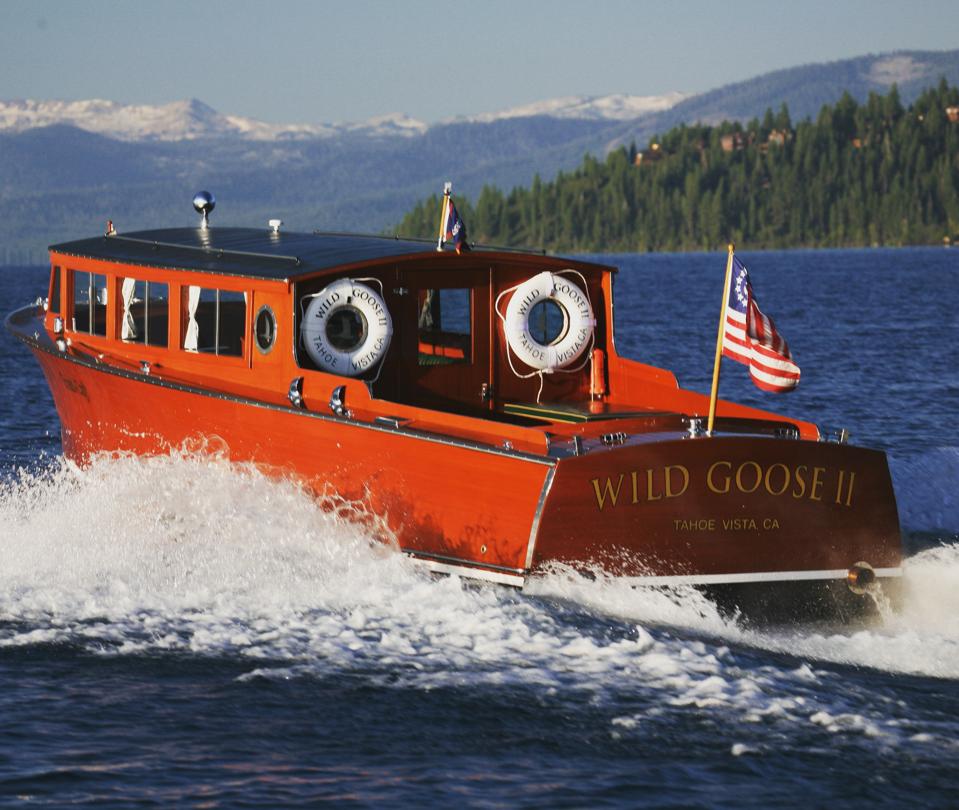
Building Your Own Wooden Powerboat: A Guide for the Aspiring Shipwright
Building a wooden powerboat is a challenging yet rewarding project. It's a journey that combines woodworking skills, engineering knowledge, and a passion for the water. Whether you're a seasoned boat builder or a curious newcomer, this guide will walk you through the essential steps, materials, and considerations involved in creating your own wooden masterpiece.
Step 1: Planning Your Dream Boat
Before diving into the construction, you need a clear vision. Ask yourself these key questions:
- What kind of boat do you want to build? Consider size, hull type (planing or displacement), number of passengers, and intended use (fishing, cruising, racing).
- What are your skill level and budget? A simple design with basic construction techniques is a good starting point for beginners. More intricate designs require greater expertise and cost.
- Where will you build your boat? You'll need a workspace with ample room for the boat, tools, and materials.
Step 2: Gathering the Right Materials
The materials used in wooden boat construction are crucial for durability, performance, and aesthetics. Here's a rundown of the common components:
Lumber:
- Marine-grade plywood: Used for the hull, decks, and interior panels. Look for plywood specifically designed for marine use, as it's treated to resist moisture and rot. Common choices include Okoume, mahogany, and Douglas fir.
- Solid wood: Used for framing, stringers, keel, and other structural components. Popular options include cedar, oak, mahogany, and teak.
Fasteners:
- Bronze screws and bolts: Highly resistant to corrosion, making them ideal for marine environments.
- Stainless steel fasteners: A cost-effective alternative to bronze, but ensure they are marine-grade and not susceptible to galvanic corrosion.
Epoxy and Fiberglass:
- Epoxy resin: Stronger and more water-resistant than traditional polyester resin, making it the preferred choice for wooden boat construction.
- Fiberglass cloth: Used for reinforcing the hull and deck, providing additional strength and watertightness.
Other Materials:
- Paint and varnish: For protecting the wood from the elements and enhancing aesthetics.
- Hardware: Includes cleats, chocks, handrails, and other fittings.
- Engine and accessories: Choose an engine that fits your boat's size and intended use, along with a propeller, steering system, fuel tank, and electrical components.
Step 3: Choosing the Right Plans
Don't try to reinvent the wheel! There are countless boat plans available from reputable sources, covering a wide range of designs and skill levels.
- Consider your experience level: Beginners should opt for simpler plans with detailed instructions and diagrams.
- Seek expert advice: Talk to experienced boat builders or join boatbuilding forums to gather recommendations and tips.
- Look for plans that offer support: Some plans come with online forums or phone support, which can be invaluable during the build process.
Step 4: Building the Hull
The hull is the heart of your boat. Here's a simplified breakdown of the process:
- Lay out the frames: Using the boat plans as a guide, carefully cut and assemble the frames that will form the shape of the hull.
- Attach the planking: Carefully attach the planks of marine-grade plywood or solid wood to the frames, creating a smooth and watertight shell.
- Fair the hull: Once the planking is complete, use sanding and other techniques to smooth out the hull and ensure a perfect curve.
- Apply epoxy and fiberglass: Multiple layers of epoxy resin and fiberglass cloth are used to strengthen the hull and create a waterproof barrier.
Step 5: Building the Deck and Interior
Once the hull is finished, you can move on to the deck and interior.
- Construct the deck: Follow the plans to build the deck frame and attach the decking material. Consider using non-slip materials for safety.
- Install the interior: Build the seats, benches, storage compartments, and other interior features according to your design.
- Fit the engine and accessories: Mount the engine, steering system, fuel tank, and other components as specified in the plans.
Step 6: Finishing Touches
The final stages involve adding those finishing touches that make your boat truly unique.
- Paint and varnish: Protect the wood with marine-grade paint and varnish, applying multiple coats for maximum durability.
- Install hardware: Mount cleats, handrails, chocks, and other hardware according to your needs and the boat's design.
- Add personal touches: Consider adding decorative accents, a custom nameplate, or other details that reflect your style.
Step 7: Testing and Commissioning
Before launching your new boat, it's essential to test its seaworthiness.
- Perform a water test: Start with a shallow water test to ensure the hull is watertight and the engine runs smoothly.
- Seek professional inspection: Once the initial tests are complete, have a qualified marine surveyor inspect the boat for any potential issues.
- Register and obtain permits: Ensure your boat is properly registered and meets any local regulations before venturing out on the water.
Commonly Asked Questions
How long does it take to build a wooden powerboat?
The construction time depends on the boat's complexity, your experience, and the amount of time you can dedicate to the project. Simple designs can be completed in a few months, while more intricate boats can take years.
How much does it cost to build a wooden powerboat?
The cost varies greatly depending on the size, materials, and complexity of the boat. Expect to invest several thousand dollars, with costs increasing as the boat grows larger and more sophisticated.
Do I need any special skills to build a wooden powerboat?
While basic woodworking skills are helpful, you don't need to be a master carpenter to build a wooden powerboat. There are plenty of plans and resources available for beginners, and you can always learn new techniques along the way.
Where can I find help and guidance?
Join online boatbuilding forums, attend woodworking classes, and seek advice from experienced boat builders. There are numerous resources available to support your journey.
Building your own wooden powerboat is a rewarding experience that combines skill, passion, and a deep connection to the water. Embrace the challenge, learn from your mistakes, and enjoy the process of creating something truly special.
0 comments:
Post a Comment
Note: Only a member of this blog may post a comment.