
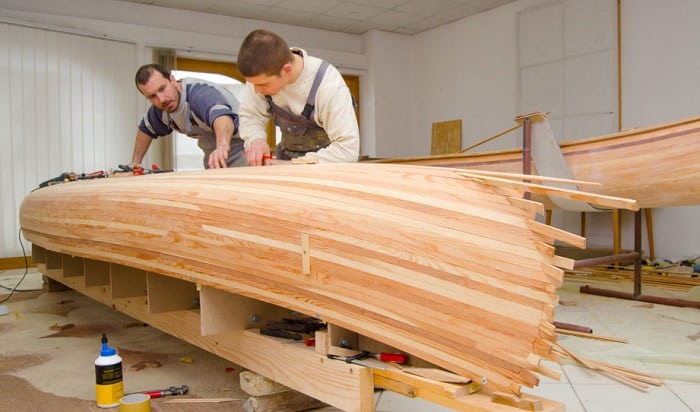
Beyond the Plans: Unveiling Hidden Gems in Wooden Boatbuilding
Building a wooden boat is a journey, a testament to human ingenuity and craftsmanship. While numerous guides exist, "How to Make a Wooden Boat for Personal and Custom Use" (let's assume this is the title of a hypothetical book we're reviewing) typically focuses on the technical aspects. But what about the less tangible elements, the creative leaps, the unexpected challenges? This review dives into those often-overlooked aspects, offering fresh perspectives for seasoned builders and curious newcomers alike.
The Unsung Heroes: Material Selection Beyond the Species
Most guides detail the merits of oak, cedar, and mahogany. But what about sustainability? What about exploring less-conventional, locally-sourced timber? This is where the true artistry emerges.
Q: How can I choose sustainable wood for my boatbuilding project?
A: Instead of relying solely on commercially harvested hardwoods, research reclaimed lumber. Think old barns, demolished buildings, even responsibly managed urban forestry projects. Websites like the Forest Stewardship Council (FSC) can help you source sustainably harvested wood. This not only reduces your environmental impact but often reveals unique character and patinas in the wood, resulting in a truly one-of-a-kind vessel.
Q: Can I use less traditional woods and still ensure structural integrity?
A: Absolutely! Many local species, often overlooked, possess surprising strength-to-weight ratios. Consult with a structural engineer or experienced boatbuilder to determine the suitability of your chosen wood. Remember, clever joinery and design can compensate for any perceived shortcomings in a less traditional material.
Beyond the Blueprint: Embracing Imperfection and Innovation
We've all seen those pristine, factory-perfect boats. But the beauty of handcrafted wooden boats lies in their individuality. Let's celebrate the imperfections, the quirks that tell a story.
The Story of "The Knotty Wanderer":
I once met a boatbuilder who incorporated a large, prominent knot into his design, transforming what might have been a defect into a defining feature. He named his boat "The Knotty Wanderer," and it became a symbol of embracing the unexpected. This highlights the shift from seeing flaws as problems to viewing them as opportunities for unique design.
Q: How can I incorporate imperfections into my design in a meaningful way?
A: Don't fight the wood. Work with it. A knot can become a focal point, a crack can be filled with a contrasting resin creating an artistic element, and variations in wood grain can contribute to a boat’s visual appeal. Document these unique features â€" they add character and value.
The Digital Craftsman: Integrating Technology
While woodworking remains a deeply tactile craft, technology offers significant advantages. This isn't about replacing traditional skills, but enhancing them.
By incorporating these tools strategically, you can streamline the process while preserving the essence of handcrafted boatbuilding.
Ultimately, building a wooden boat is a personal journey. "How to Make a Wooden Boat for Personal and Custom Use" (and this review) serves as a starting point. Embrace the unexpected, celebrate the imperfections, and let your creativity guide you. The result will be far more than just a boat; it will be a reflection of your passion, skill, and unique vision.
0 comments:
Post a Comment
Note: Only a member of this blog may post a comment.