
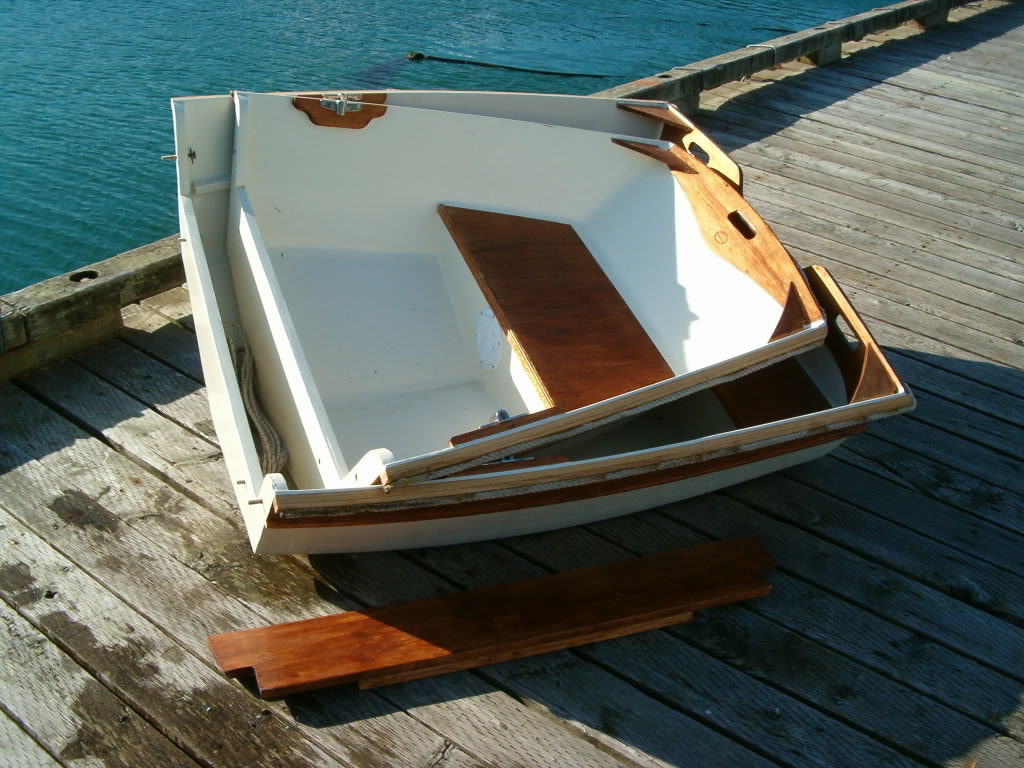
Building a Wooden Dinghy: Easy and Affordable Plans
Embark on a rewarding journey into the world of boatbuilding with this comprehensive guide to constructing your own wooden dinghy. This project, designed for affordability and ease, will equip you with the skills and knowledge to create a beautiful and functional vessel, perfect for leisurely paddling or exploring tranquil waters.
Choosing the Right Dinghy Design
Before diving into the build, select a dinghy design that aligns with your skill level, desired size, and intended use. Several excellent free and affordable plans are available online, catering to various preferences.
Popular Dinghy Designs
- The Simple Punt: A classic, flat-bottomed design, perfect for beginners. Its stability makes it ideal for fishing or leisurely paddling.
- The Skiff: A versatile design with a slightly pointed bow and a shallow draft, suitable for exploring shallow waters and navigating small rivers.
- The Dory: A traditional fishing boat with a wide, rounded hull, renowned for its seaworthiness and stability, even in choppy waters.
Gathering Materials and Tools
Once you have chosen a plan, gather the necessary materials and tools:
Wood
- Marine Plywood: Use marine-grade plywood for the hull and deck, ensuring durability and resistance to moisture.
- Cedar or Mahogany: These hardwoods are commonly used for the gunwales, ribs, and keel, offering strength and a beautiful aesthetic.
- Oak: Ideal for the transom, providing strength and stability.
Hardware
- Fasteners: Choose marine-grade screws and bolts for lasting strength and resistance to corrosion.
- Oars and Oarlocks: Essential for rowing your dinghy.
- Rowing Seat: Select a comfortable and sturdy seat.
- Hardware for Rudder and Steering: Depending on your design, choose appropriate hardware for the rudder and steering system.
Tools
- Hand Tools: Hammers, saws, chisels, planes, and screwdrivers are essential for basic woodworking tasks.
- Power Tools: A drill, circular saw, jigsaw, and sander will make the build significantly easier and faster.
- Measuring Tools: A tape measure, ruler, and protractor are essential for accurate measurements and cutting.
- Clamps: Various sizes and types of clamps are crucial for holding pieces securely during assembly.
Building the Hull
Start by building the hull, the foundation of your dinghy. This involves constructing the frames, planking the hull, and adding the keel.
Constructing the Frames
- Cut the Ribs: Using the plan as a guide, cut the ribs (also known as frames) from your chosen hardwood to the specified dimensions.
- Shape the Ribs: Shape the ribs using a plane or sander to achieve the desired curve and fit them snugly against the molds or templates provided in your plan.
- Assemble the Frames: Securely attach the ribs to the keel using screws or bolts, ensuring they are spaced correctly.
Planking the Hull
- Cut the Planks: Cut the marine plywood planks to the specified length and width, making sure they are slightly wider than the hull's width.
- Fit the Planks: Carefully fit the planks to the frames, starting from the keel. Use clamps to hold the planks in place.
- Attach the Planks: Secure the planks to the frames and keel with marine-grade screws or bolts, ensuring they are countersunk to avoid protruding into the hull's interior.
Adding the Keel
- Cut the Keel: Cut the keel from oak to the specified length and shape, using a saw and plane or sander.
- Attach the Keel: Secure the keel to the bottom of the hull using marine-grade screws or bolts, making sure it is aligned correctly.
Constructing the Deck and Finishing Touches
Once the hull is complete, build the deck and add the final touches:
Building the Deck
- Cut the Deck Planks: Cut the marine plywood planks for the deck to the specified dimensions.
- Fit the Deck Planks: Fit the deck planks to the hull, ensuring they are level and flush with the gunwales.
- Attach the Deck Planks: Secure the deck planks to the hull and frames using marine-grade screws or bolts.
- Install the Gunwales: Attach the gunwales to the hull and deck, using clamps and fasteners.
Adding Finishing Touches
- Install Oarlocks: Attach the oarlocks to the gunwales, ensuring they are securely mounted.
- Install the Seat: Secure the rowing seat to the deck, making sure it is positioned comfortably.
- Install the Rudder and Steering System: If your design includes a rudder and steering system, install them according to the plan's instructions.
- Sand and Finish: Sand the entire dinghy smooth and apply a marine-grade varnish or paint to protect the wood and enhance its appearance.
Launching Your Dinghy
Once the construction is complete, launch your dinghy and enjoy the fruits of your labor. Test the boat in calm waters, ensuring everything is securely attached and functioning correctly. Celebrate your achievement and embark on thrilling adventures in your handcrafted wooden dinghy!
Safety First
While building a dinghy can be a rewarding experience, safety should always be a priority. Always follow the plans carefully, use proper tools and techniques, and wear appropriate safety gear when working with wood and power tools.
Conclusion
Building a wooden dinghy is a fulfilling project that combines woodworking skills with the thrill of creating a beautiful and functional vessel. By following these steps and choosing a plan that suits your abilities, you can embark on a journey of craftsmanship and enjoy the unique pleasure of sailing in a boat you built yourself.
0 comments:
Post a Comment
Note: Only a member of this blog may post a comment.