
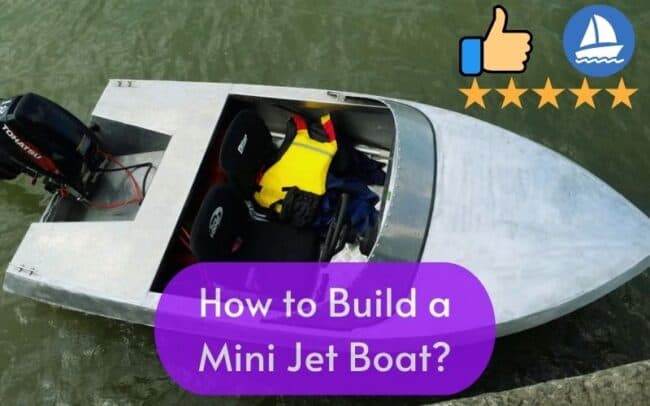
Building a Durable and Fast Mini Jet Boat: A Comprehensive Guide
The thrill of zipping across the water at breakneck speeds in a sleek, powerful mini jet boat is an experience that many crave. However, building one that's both durable and fast requires careful planning and execution. This guide will lead you through the process, equipping you with the knowledge and expertise to create your dream mini jet boat.
Choosing the Right Materials
The heart of a durable mini jet boat lies in the materials you select. Choosing wisely will not only ensure a long-lasting vessel but also contribute to its overall performance.
The Hull
For the hull, consider these options:
- Fiberglass: Lightweight and durable, fiberglass is a classic choice for boat construction. It offers excellent strength-to-weight ratio and can be molded into complex shapes.
- Aluminum: A robust and corrosion-resistant option, aluminum is particularly suitable for freshwater applications. Its durability and relative ease of fabrication make it a popular choice.
- Polyethylene: This high-density plastic is known for its impact resistance and affordability. It's often used for smaller, recreational boats, but it might not be the ideal choice for high-performance applications.
The Jet Drive
For maximum speed and agility, a jet drive system is essential. Consider the following factors when choosing a jet drive:
- Impeller size: A larger impeller will deliver more thrust, but it will also require more horsepower to operate.
- Nozzle design: The shape and size of the nozzle influence the water flow and the boat's overall speed.
- Material: Stainless steel is generally preferred for jet drives due to its strength and corrosion resistance.
The Engine
The engine is the heart of your mini jet boat. Choose an engine that offers a balance of power and efficiency:
- Two-stroke engines: Lightweight and powerful, two-stroke engines are popular choices for mini jet boats. However, they tend to be less fuel-efficient than four-stroke engines.
- Four-stroke engines: More fuel-efficient and environmentally friendly than two-strokes, four-stroke engines are gaining popularity in the mini jet boat market.
Constructing the Hull
Building the hull is the most challenging but rewarding part of the process. Follow these steps to ensure a strong and watertight hull:
- Design and Create the Molds: If you're using fiberglass, you'll need to create molds to shape the hull. Use wood or another suitable material to build a strong, accurate mold.
- Lay Up the Fiberglass: Carefully apply layers of fiberglass cloth and resin to the molds, following a specific pattern to ensure proper strength and water resistance.
- Sand and Finish: After the fiberglass has cured, carefully sand the hull to remove imperfections and achieve a smooth surface. Apply a sealant and paint to protect the hull from the elements.
Installing the Jet Drive
Installing the jet drive system is critical for the boat's performance. It's important to follow the manufacturer's instructions carefully:
- Mount the Jet Drive: Secure the jet drive to the transom of the hull using sturdy brackets and bolts.
- Connect the Drive Shaft: Align the drive shaft with the engine output shaft and connect them using a coupling.
- Install the Steering System: Choose a reliable steering system and connect it to the jet drive.
Powering the Boat
Once the hull and jet drive are in place, it's time to install the engine. This requires careful planning and attention to detail:
- Mount the Engine: Secure the engine to the boat's transom using sturdy mounts. Consider the engine's weight distribution and balance.
- Connect the Engine to the Jet Drive: Connect the engine's output shaft to the jet drive's input shaft using a coupling.
- Install the Fuel System: Connect the fuel tank to the engine and install a fuel filter.
Completing the Build
After installing the engine and jet drive, you need to finish the boat by adding essential components and systems:
- Control Panel: Install a control panel with gauges and controls for the engine, jet drive, and steering.
- Seating and Storage: Add comfortable seating and storage compartments to enhance the boat's usability.
- Safety Equipment: Ensure you have essential safety equipment, including life jackets, fire extinguishers, and flares.
Testing and Fine-Tuning
Once your mini jet boat is assembled, it's crucial to test it thoroughly:
- Initial Tests: Conduct initial tests in a controlled environment, like a small pond or lake, to assess the engine and jet drive performance.
- Fine-Tuning: Adjust engine settings, jet drive angles, and steering to optimize the boat's performance.
- Safety First: Always prioritize safety when testing a new boat. Use appropriate safety gear and follow all boating regulations.
Building a durable and fast mini jet boat is a challenging but rewarding project. With careful planning, meticulous craftsmanship, and attention to detail, you can create a vessel that will deliver years of thrilling adventures on the water. Remember to prioritize safety, follow all boating regulations, and enjoy the fruits of your labor!


