Friday, December 6, 2024

How to Create a Fishing Boat with Custom Features and Plans

How to Create a Fishing Boat with Custom Features and Plans

Beyond the Blueprint: Unveiling Hidden Gems in Custom Boatbuilding

Building a fishing boat is a monumental undertaking, a blend of artistry, engineering, and sheer determination. While countless guides detail the "how-to," "How to Create a Fishing Boat with Custom Features and Plans" (let's call it "the book") often overlooks the nuanced, often overlooked, aspects of this passion project. This review delves into those hidden gems, addressing questions rarely posed, and offering perspectives that extend beyond the basic blueprint.

The Unsung Heroes of Boat Design: Material Selection and Sustainability

The book touches on materials, but rarely explores the long-term implications of choices. So, let's ask:

Q: How can we build sustainably without compromising strength and durability?

A: This is where the future of boatbuilding lies. Exploring recycled and reclaimed materials, such as sustainably harvested wood (with appropriate certifications like FSC) or repurposed aluminum, is key. Consider incorporating composite materials with recycled content. The National Renewable Energy Laboratory (NREL) and similar organizations are excellent resources for researching eco-friendly alternatives and their performance characteristics. Moreover, thinking beyond the hull â€" utilizing solar panels for onboard power and designing for efficient fuel consumption are crucial components of sustainable boatbuilding.

Beyond the Hull: Ergonomics and the Human Factor

Building a boat is not just about aesthetics; it's about functionality. The book acknowledges custom features but neglects a crucial aspect:

Q: How can we optimize boat design for the specific needs and physique of the user?

A: This goes beyond simply choosing the right rod holders. It involves anthropometric considerations: How tall is the primary user? What are their reach and strength capabilities? A carefully designed layout minimizes strain and maximizes efficiency. For example, strategically placing tackle storage, considering the height of the helm, and ensuring comfortable seating for long fishing trips are crucial for preventing fatigue and injuries. Designing for accessibility, accommodating users with disabilities, presents another layer of thoughtful boatbuilding.

The Unexpected Challenges: Budget and Time Management

Every project faces unforeseen hurdles. "The book" lightly touches on budgeting, but the reality is far more complex:

Q: How can we realistically budget for a custom boatbuild, accounting for the inevitable unexpected costs?

A: This requires a multi-faceted approach. Detailed cost breakdowns for each material and component are essential. However, building a contingency fund of at least 20-30% is vital. Unexpected delays are common, impacting labor costs and material sourcing. Tracking progress meticulously using project management tools, like Trello or Asana, helps maintain transparency and adapt to changes effectively.

A Real-World Story: Lessons Learned

A seasoned boat builder I know, John, spent years crafting his dream vessel. Initially, he underestimated the complexities of fiberglass work, leading to costly repairs. He learned the hard way that investing in quality tools and proper training is invaluable. His story highlights the importance of continuous learning and adaptability â€" qualities that “The book” implicitly emphasizes, but doesn't fully explore the practical, real-world application of.

Conclusion: Embracing the Unexpected

While "How to Create a Fishing Boat with Custom Features and Plans" offers a solid foundation, it's crucial to embrace a more holistic approach. By considering sustainability, ergonomics, realistic budgeting, and continuous learning, boatbuilders can transform their projects from simple constructions into truly personalized and enduring masterpieces. The journey is as rewarding as the final product, a testament to human ingenuity and the enduring allure of the open water.
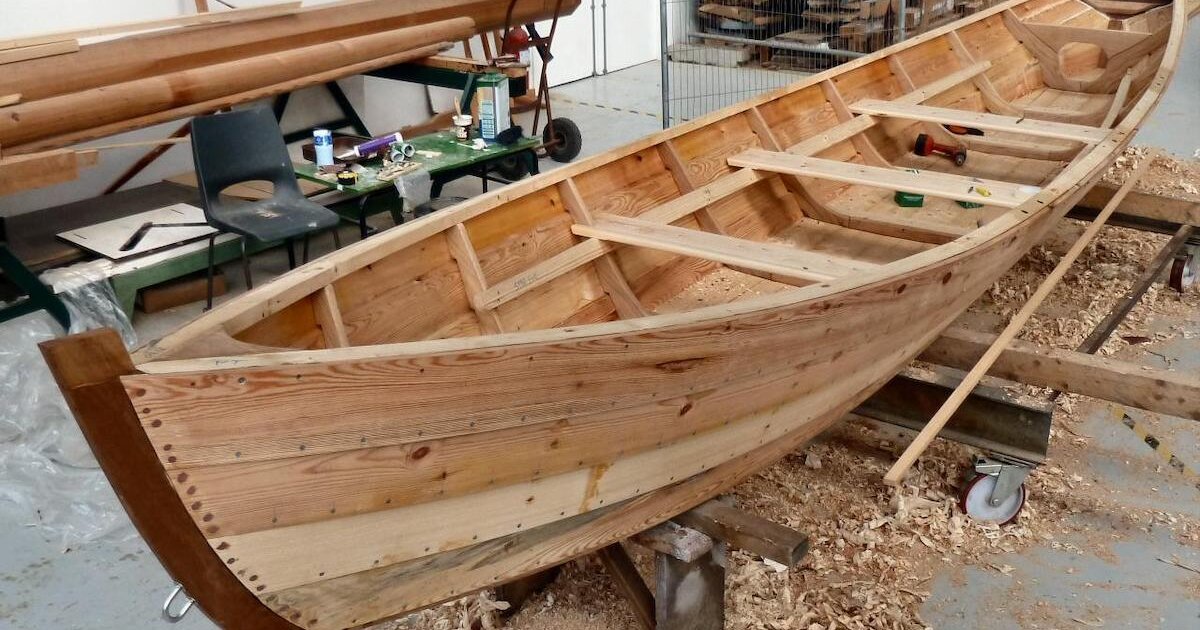
Step-by-Step Instructions for Building a Boat with Plans and Kits

Step-by-Step Instructions for Building a Boat with Plans and Kits

Beyond the Blueprint: Unveiling the Unexpected in Boat Building

Building a boat from plans and kits is a rewarding, albeit challenging, endeavor. While countless guides detail the technical aspects, we often overlook the less tangible, yet equally crucial, elements. This article delves into those often-overlooked facets, offering new perspectives for hobbyists, professionals, and educators alike.

The Unsung Heroes: Material Selection & Sustainability

Most boat building guides focus on *what* materials to use, but rarely delve into *why* specific choices are better than others in terms of environmental impact and long-term performance. Let's explore this further.

Q: Beyond the standard plywood and fiberglass, what sustainable alternatives are gaining traction in boat building?

A: The industry is experiencing a surge in the use of recycled materials. Think reclaimed wood, repurposed plastics (e.g., HDPE), and even bio-based composites like hemp or flax fibers reinforced with bio-resins. While the availability and cost might vary, the environmental benefits and potential for unique aesthetics are significant. Research from organizations like the Sustainable Marine Foundation (https://sustainablemarinefoundation.org/) provides valuable insights into these developments. Choosing these materials can significantly reduce the carbon footprint of your project, adding a layer of ethical consideration to your build.

The Human Element: Skill Development and Community

Building a boat isn't just about following instructions; it's about the journey of skill acquisition and the fostering of community.

Q: How can boat building projects be leveraged for educational purposes beyond technical skills?

A: The process inherently teaches problem-solving, project management, and meticulous attention to detail. Furthermore, integrating boat building into educational programs can foster teamwork, collaboration, and a sense of accomplishment. Consider incorporating elements of design thinking, allowing students to contribute creatively to the design process, resulting in unique and personalized boats. This approach transforms the project from a mere skill-building exercise into a holistic learning experience.

Q: How can builders leverage online communities and forums to enhance their experience?

A: Online communities are invaluable resources. They offer a platform for sharing experiences, troubleshooting problems, and even finding collaborators. Platforms like Reddit's r/boatbuilding or dedicated forums for specific boat types can connect you with seasoned builders who can provide invaluable advice and support. The human connection can significantly alleviate the stress and frustration often associated with complex projects.

Beyond the Manual: Designing for Adaptability and Personalization

While plans and kits provide a framework, they shouldn't stifle creativity. Let's explore the possibilities of customization and adaptation.

Q: How can builders adapt existing plans to suit their specific needs and resources?

A: Don't be afraid to modify plans! Perhaps you have access to a unique type of wood, or you want to incorporate specific features not included in the original design. With proper understanding of boat construction principles, adaptations can be made safely and effectively. This requires a solid grasp of fundamental boat design principles and a willingness to experiment â€" always prioritizing safety.

Story Time:

I once met a builder who adapted a small dinghy plan using reclaimed wood from an old barn. The resulting boat, while not perfectly matching the original design, became a unique testament to his creativity and resourcefulness, reflecting his personal story in its very construction.

The Unexpected Challenges: Troubleshooting and Problem-Solving

Even with meticulous planning, unexpected problems will arise. It’s how you handle them that defines the experience.

Q: What are some unconventional troubleshooting techniques that builders can employ?

A: Sometimes, the solution lies outside the realm of traditional boat building techniques. For instance, a problem with hull alignment might be solved using innovative clamping techniques or even 3D-printed jigs. Thinking outside the box, using resources from other fields like engineering or even art, can often unlock creative solutions to seemingly insurmountable challenges.

Building a boat is more than just carpentry; it's a journey of learning, creativity, and community. By embracing the unexpected and exploring unconventional approaches, you can transform the process into a truly enriching experience.