Saturday, December 7, 2024

Custom Duck Boat Plans for Unique Designs and Features

Custom Duck Boat Plans for Unique Designs and Features

Beyond the Blueprint: Unveiling the Untapped Potential of Custom Duck Boat Plans

Designing and building a duck boat isn't just about function; it's about crafting a personal extension of your hunting passion. While countless plans exist, many miss the mark on truly innovative and personalized designs. This review dives beyond the surface of typical custom duck boat plans, exploring unique features and perspectives often overlooked. We'll tackle some key questions, using real-world examples and expert insights to illuminate the path to your perfect, one-of-a-kind vessel.

Designing for the Unexpected: Beyond Traditional Hull Designs

Most duck boat plans focus on established hull shapes. But what if we challenged that? What truly innovative hull designs are possible, and how might they improve performance and maneuverability in challenging conditions?

Q: Can we move beyond the traditional flat-bottom or modified-V hull?

A: Absolutely! Consider exploring:

  • Multi-hull designs: Offering superior stability, especially in rough water or with heavier loads. Imagine a small, lightweight, catamaran-style duck boat for easy transport and incredible stability.
  • Hydrodynamically optimized hulls: Using computational fluid dynamics (CFD) software (many free and open-source options exist) to model and optimize hull shapes for minimum drag and maximum efficiency. This is a powerful tool often underutilized by amateur boat builders.
  • Modular hull sections: Designs allowing for easy customization and repair. Imagine a system where damaged sections can be quickly replaced, reducing downtime and repair costs.

Q: How can we improve maneuverability in tight spaces, like dense marsh areas?

A: Think beyond simple rudders. Consider:

  • Veto-style propulsion: Integrating a small, efficient electric trolling motor for precise control in tight quarters.
  • Articulated steering: A system allowing the boat's entire stern to pivot, significantly improving maneuverability in restricted areas. This could be a complex undertaking, but offers a unique advantage.

Material Matters: Exploring Sustainable and Innovative Choices

Traditionally, wood and aluminum have dominated duck boat construction. But the landscape is shifting. What are some less conventional, yet viable, materials?

Q: Are there eco-friendly alternatives to traditional materials?

A: Yes! We are seeing increased use of:

  • Recycled plastics and composites: Offering strength, durability, and reduced environmental impact. This aligns with the growing trend towards sustainable boat building.
  • Bamboo composites: A rapidly renewable resource offering surprising strength-to-weight ratios. Requires careful design and construction techniques, but opens exciting possibilities.

Q: How can we improve the durability and lifespan of our duck boats?

A: Beyond material choice, consider:

  • Advanced coatings and finishes: Utilizing UV-resistant paints and epoxy coatings to extend the life of the boat and protect it from harsh environmental conditions. Explore specialized coatings designed for marine environments.
  • Corrosion protection techniques: If using metal, implementing advanced corrosion protection methods is crucial. This can significantly extend the life of your vessel.

The Human Factor: Ergonomics and Accessibility

Duck hunting can be physically demanding. How can custom boat plans prioritize comfort and accessibility?

Q: How can we make duck boats more comfortable and user-friendly?

A: Consider these ergonomic improvements:

  • Adjustable seating positions: Allowing hunters to find optimal shooting positions regardless of their height or build.
  • Improved storage solutions: Strategically placed compartments for gear, making access easy and efficient.
  • Enhanced accessibility features: Designing for hunters with physical limitations, such as wider gunwales for easier entry and exit.

Ultimately, the best custom duck boat plan is one that perfectly aligns with the individual hunter's needs and desires. By embracing innovation, sustainability, and a user-centric approach, we can create boats that are not only highly functional but also deeply satisfying to build and use. The possibilities, as we've explored, are far more extensive than many realize.

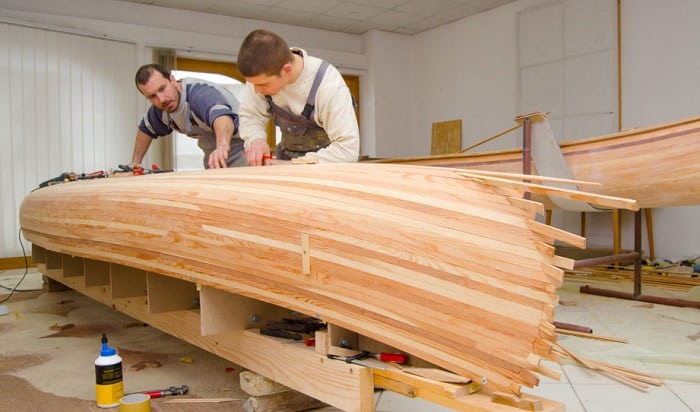
The Importance of Accurate Boat Building Blueprints for Quality Builds

The Importance of Accurate Boat Building Blueprints for Quality Builds

Beyond the Lines: Unveiling the Hidden Power of Accurate Boat Building Blueprints

Building a boat is a monumental task, a testament to human ingenuity and craftsmanship. But even the most skilled builder can be sunk by inaccurate blueprints. While the importance of accurate plans is often discussed, we rarely delve into the *why* behind the precision, the subtle nuances that separate a good build from a great one, and the innovative ways we can leverage modern technology to enhance the process. This article explores those often-overlooked aspects, offering new perspectives for both seasoned veterans and enthusiastic newcomers.

The Silent Killers: How Minor Blueprint Errors Compound

It's tempting to dismiss small discrepancies in blueprints as insignificant. But the reality is far more complex. Think of it like a Jenga tower: a slight misalignment in one block can lead to catastrophic collapse. Similarly, a seemingly minor error in hull curvature, beam width, or even the placement of a bulkhead can dramatically impact:

  • Structural Integrity: A consistently flawed blueprint can result in weak points, potentially leading to cracking or even catastrophic failure at sea. This isn't just about safety; it’s about the longevity and overall quality of your project.
  • Hydrodynamic Performance: Even minor deviations from the designed hull shape can significantly affect speed, efficiency, and handling. This might mean slower speeds, increased fuel consumption, and unpredictable behavior on the water.
  • Aesthetic Appeal: While not a safety concern, subtle inconsistencies can detract from the overall look and feel of the finished boat, impacting its value and the builder’s satisfaction.

Beyond the Static Image: Embracing Digital Design and 3D Modeling

Question: Aren't traditional blueprints sufficient?

Answer: While traditional blueprints serve their purpose, they fall short in offering the interactive and dynamic perspective provided by modern digital tools. 3D modeling software allows for virtual construction, allowing builders to:

  • Identify potential conflicts early: Spotting interference between components before cutting the first piece of wood saves time, materials, and frustration.
  • Simulate stress and strain: Advanced software can analyze the structural integrity of the design under various conditions, ensuring a robust and safe vessel.
  • Create detailed component lists automatically: Streamlining the procurement process, reducing material waste, and improving project management.

Real-World Story: The Case of the "Slightly Off" Keel

A renowned boatbuilder once recounted a project where a seemingly minor 1/8-inch error in the keel's angle led to persistent handling problems. The boat was otherwise beautifully constructed, but the subtle error resulted in significant drag and unpredictable behavior. This highlights how even the smallest inaccuracy can have significant consequences, emphasizing the need for precise blueprints and meticulous attention to detail.

The Human Factor: Training and the Importance of Understanding the Blueprint

The best blueprints are useless without skilled hands to interpret and implement them. Educational institutions and woodworking programs should emphasize:

  • Blueprint interpretation workshops: These should focus on understanding the various symbols, notations, and scales used in boatbuilding blueprints.
  • Hands-on experience with different design software: Students need to become comfortable navigating and manipulating digital models, fostering problem-solving skills and a deeper understanding of boat construction.
  • Collaboration and mentorship: Experienced builders can share their knowledge and insights with aspiring craftspeople, fostering a culture of precision and best practices.

Accurate boat building blueprints aren't just lines on paper; they're the foundation of a successful project. By embracing advanced technology and prioritizing rigorous training, we can elevate boatbuilding to new heights of precision, efficiency, and safety, ensuring that future generations of boats are not only beautiful but also seaworthy and robust.

How to Make a Wooden Boat with Long-Lasting Results

How to Make a Wooden Boat with Long-Lasting Results

Beyond the Plans: Unveiling Hidden Gems in Wooden Boatbuilding

For years, countless books have detailed the process of building wooden boats. "How to Make a Wooden Boat with Long-Lasting Results," while undoubtedly helpful, often overlooks the nuances that truly separate a good boat from a great oneâ€"and a project completed with joy from one fraught with frustration. This review delves beyond the typical construction advice, exploring often-neglected aspects that significantly impact both the longevity and the building experience itself.

The Unsung Heroes: Material Selection & Sourcing

Most guides focus on *what* wood to use. But what about *where* it comes from and *how* it's been treated? This often-overlooked aspect significantly impacts the final product’s lifespan.

Q: How does the lumber's origin affect its performance in a marine environment?

A: Lumber from sustainably managed forests, for instance, might be slower-growing, resulting in denser, more durable wood. This can be backed by certification like the Forest Stewardship Council (FSC) mark. Conversely, rapidly grown timber, while cheaper initially, may be more susceptible to rot and insect damage. Understanding the specific growing conditions and logging practices of your source adds a crucial dimension to long-term success. Researching the specific characteristics of various wood species and their regional variations offers a significant advantage over simply following a list of "recommended woods."

Q: Beyond the species, what other factors should I consider when selecting wood?

A: Look beyond the species name. The quality of individual planks is paramount. Check for knots, cracks, and warping. Consider moisture content â€" using properly seasoned wood is critical to prevent shrinking and cracking post-construction. A recent study in the *Journal of Materials in Civil Engineering* highlighted the significant impact of initial moisture content on the long-term dimensional stability of wood. This requires more than just a glance; it involves understanding wood science and potentially using moisture meters.

Beyond the Blueprint: Embracing the Unexpected

Wooden boatbuilding is rarely a straightforward process. Adaptability and problem-solving skills are invaluable.

Story of the Unexpected Knot:

A seasoned boatbuilder, John, recounted discovering a significant knot in a critical plank during the construction of a classic dory. Following the plans blindly would have meant rejecting the plank, delaying the project significantly. Instead, John incorporated the knot into the design, crafting a unique feature that not only strengthened the structure in an unexpected way but also added character to the boat. This highlights the importance of flexible thinking and ingenuity.

Q: How can I develop my problem-solving skills during construction?

A: Engage with online communities and forums dedicated to boatbuilding. Document your process, including challenges encountered and solutions implemented. This creates a valuable learning resource for future projects and allows you to tap into the collective wisdom of experienced builders. Consider taking a course in advanced woodworking or boat repair to expand your skill set beyond basic construction techniques.

The Finishing Touch: Beyond Aesthetics

The final finish isn't just about looks; it's the boat's first line of defense against the elements.

Q: What are some less common, yet highly effective, finishing techniques?

A: Explore alternative finishes beyond traditional varnishes and paints. Research the use of natural oils and waxes, specifically those with UV inhibitors. These offer a more environmentally friendly and potentially longer-lasting option, especially when combined with careful wood preparation. Recent research into bio-based coatings is yielding exciting new possibilities, offering strong protection with a reduced environmental footprint. Look for peer-reviewed publications in material science journals for the latest findings.

Conclusion: Building More Than Just a Boat

Building a wooden boat is a journey of learning, problem-solving, and craftsmanship. By moving beyond the standard instructions and embracing the unexpected, you'll not only create a more resilient and beautiful vessel but also gain a deeper appreciation for the art and science of wooden boatbuilding. The true reward lies not just in the finished product, but in the skills and experiences accumulated along the way.

Step-by-Step Guide for Wooden Boat Builders

Step-by-Step Guide for Wooden Boat Builders

Beyond the Plans: Unveiling Hidden Gems in Wooden Boat Building

Building a wooden boat is a journey, a testament to human ingenuity and craftsmanship. While countless guides exist, many focus on the mechanics â€" the plans, the tools, the techniques. But what about the less tangible aspects? The artistry, the resourcefulness, and the unexpected challenges? This review of a hypothetical "Step-by-Step Guide for Wooden Boat Builders" explores those often-overlooked facets, offering new perspectives for seasoned builders and aspiring hobbyists alike.

The Unsung Hero: Material Selection Beyond the Species

Most guides diligently list wood types: oak, cedar, mahogany. But what about the inherent variability within a species? A single oak plank can have vastly different properties depending on its location within the tree, its growth rate, and even the soil it grew in. How many guides delve into this crucial detail?

Q: How can I account for this variability in my build?

A: This isn't just about picking "good" wood; it's about understanding its unique character. Consider using a moisture meter at various points within a plank to identify weaker sections. Test its bending strength (carefully!) before incorporating it into a critical part of the hull. Imagine sourcing your wood from a local mill and forming a relationship with the miller, learning about the trees firsthand.

Sustainability: Beyond the "Eco-Friendly" Label

Many guides mention using sustainable wood, but rarely delve into the complexities. Simply choosing a certified wood isn't enough.

Q: How can I truly minimize my environmental footprint?

A: Consider the entire lifecycle. Sourcing wood locally drastically reduces transportation emissions. Explore using reclaimed wood â€" old barn beams, for example, can add character and sustainability. Minimize waste by meticulously planning your cuts and repurposing offcuts. Consider partnering with local environmental groups who manage woodland clearings for sustainable timber. Documenting your sustainability choices adds value to your project.

The Art of the Imperfect: Embracing the Unexpected

No build goes exactly to plan. The "step-by-step" approach can inadvertently create a false sense of certainty.

Q: How do I adapt when things inevitably go wrong?

A: This is where the true craftsmanship shines. Embrace improvisation. A split plank might lead to a unique design solution; a measurement error can spark innovative problem-solving. Document these moments â€" the challenges, the workarounds, the creative solutions. These are the stories that will make your boat truly special. Think of the famous "Mayflower," her seaworthiness improved by the necessity of quick repairs.

Beyond the Boat: Building a Community

The solitude of the workshop can be rewarding, but building a boat is also a social endeavor.

Q: How can I leverage the collective knowledge of experienced builders?

A: Join online forums, attend boatbuilding workshops, and seek out mentors. Share your progress, ask for advice, and participate in discussions. The collaborative spirit of boatbuilding is as valuable as the technical skills. Think of it as a modern-day apprenticeship model. Many boatyards today operate as a community hub.

A truly comprehensive guide wouldn’t just offer steps, but would inspire a mindset: one of resourcefulness, adaptability, and community. It would celebrate the imperfections and acknowledge that the most rewarding aspect of building a wooden boat might not be the finished product itself, but the journey of creation and the connections made along the way.

How to Make a Wooden Boat with Precise Craftsmanship and Detail

How to Make a Wooden Boat with Precise Craftsmanship and Detail

Beyond the Plans: Unveiling Hidden Gems in Wooden Boatbuilding

Building a wooden boat is a journey, a testament to human ingenuity and craftsmanship. While numerous books detail the how-to, "How to Make a Wooden Boat with Precise Craftsmanship and Detail" (let's call it "The Book" for brevity) and similar guides focus on the technical aspects, many crucial, often overlooked elements remain unexplored. This review delves into those hidden gems, offering fresh perspectives for both seasoned builders and enthusiastic novices.

The Unspoken Language of Wood: Beyond the Species

The Book rightfully emphasizes wood selection, but rarely touches upon the personality of each plank. Each tree, even within the same species, has a unique story etched into its grain â€" stress lines, growth rings reflecting climate shifts. How does this influence the boat’s behavior?

Q: How can I read the “story” in the wood and leverage it in my build?

A: Think of it like choosing a musical instrument. A tight, even-grained plank might be ideal for a hull section requiring rigidity, while a more expressive grain might find its place in less critical areas. Carefully studying the grain allows you to tailor the boat’s structure to the wood’s inherent strengths, potentially improving performance and longevity. Imagine choosing planks with subtle curves to organically shape a rockered bottom, minimizing the need for harsh shaping later.

The Ecology of Boatbuilding: Sustainable Practices and Material Sourcing

Environmental consciousness is crucial but often absent in traditional boatbuilding literature. "The Book" focuses on techniques but lacks a broader ecological perspective. This is where we can integrate current research and best practices.

Q: What are the most sustainable wood choices and sourcing methods for boatbuilding?

A: Recent research by the International Organization for Standardization (ISO) highlights the importance of using sustainably harvested timber, certified by organizations like the Forest Stewardship Council (FSC). Furthermore, exploring alternative materials â€" such as reclaimed wood or responsibly sourced composites â€" opens exciting avenues for eco-conscious boat building. This isn't just about minimizing environmental impact; it’s about creating a legacy of responsible craftsmanship.

The Intangibles: Mastering the Art of Intuition and Adaptation

No plan is perfect. Experienced boatbuilders will tell you the real artistry lies in adapting to unforeseen challenges. The Book provides a solid foundation but lacks the nuance of on-the-job problem-solving.

Story Time: The Case of the Crooked Keel

A seasoned builder, known for his meticulous attention to detail, once recounted a story where a critical keel timber proved slightly warped. Instead of scrapping the piece, he meticulously analyzed the curve, adapting the design subtly to incorporate the flaw, resulting in a boat with unique character and, unexpectedly, improved stability in certain conditions. This highlights the vital role of intuition and adaptability, skills rarely explicitly taught.

Beyond the Boat: The Community and Legacy of Wooden Boatbuilding

The Book emphasizes the technical aspects, but the true value lies within the community. Connecting with other builders, sharing experiences, and learning from masters is an invaluable part of the process.

Q: How can I leverage online resources and communities to enhance my boatbuilding skills?

A: Online forums, social media groups (like those focused on traditional boatbuilding), and even YouTube channels offer immense resources. Engaging with these communities provides access to a wealth of knowledge, troubleshooting assistance, and even collaborative projects, transforming the solitary craft into a shared journey. This collaborative aspect strengthens the legacy of wooden boatbuilding, ensuring its continuity for future generations.

In conclusion, while "How to Make a Wooden Boat with Precise Craftsmanship and Detail" provides a solid blueprint, embracing these additional perspectives â€" considering the wood’s personality, adopting sustainable practices, honing intuition, and connecting with the community â€" transforms the building process into an enriching, holistic experience that extends beyond the mere creation of a vessel.

Boat Plans and Kits for Crafting a Family-Friendly Watercraft

Boat Plans and Kits for Crafting a Family-Friendly Watercraft

Beyond the Blueprint: Unveiling Hidden Potential in Boat Plans & Kits

Building a boat with your family â€" the very idea conjures images of sun-drenched days, shared skills, and a unique vessel born from collective effort. But beyond the romanticism lies a complex decision: choosing the right plans and kits. This article delves beyond the typical specifications, exploring often-overlooked aspects to help you navigate this exciting journey.

The Unsung Hero: Material Selection & Its Impact

Most boat plans focus on the design, but what about the material? This is where hidden potential â€" and potential pitfalls â€" lie. Choosing the right wood, fiberglass, or even recycled materials significantly impacts the build, cost, and even the boat's environmental footprint.

Beyond the Usual Suspects: Sustainable Choices

Think beyond traditional mahogany and cedar. Explore rapidly renewable timbers like bamboo or paulownia, or consider using recycled plastics for hulls. These options offer unique properties, often lighter weight and increased durability, and a smaller carbon footprint. Researching sustainable sourcing is key â€" look for certifications like FSC (Forest Stewardship Council) to ensure responsible forestry practices.

Family Dynamics: Tailoring the Build to Your Crew

Building a boat is a family project, but not all families are created equal. Ignoring the ages and skill levels of your builders can lead to frustration and a half-finished project.

Age-Appropriate Tasks & Skill Development

Consider a phased approach. Younger children can assist with sanding, painting, or simple assembly tasks, while older members handle more complex joinery or fiberglass work. This fosters collaboration and teaches valuable life skills. Document the process â€" creating a family photo album or video showcasing the boat's construction is a priceless keepsake.

The "Hidden Costs" â€" Beyond the Price Tag

Many boat plans conveniently omit the “hidden costs.” While the kit price is upfront, unexpected expenses can derail the project.

Unexpected Expenses: A Reality Check

  • Tools: Do you have all the necessary tools? A comprehensive list, including specialized woodworking or fiberglassing equipment, is crucial.
  • Consumables: Adhesives, fasteners, paint, varnish â€" these add up quickly.
  • Unexpected Repairs/Modifications: Mistakes happen. Budget for potential repairs or material replacements.
  • Storage & Transportation: Where will you build and store the boat during construction and after completion?

Beyond the Boat: Educational Opportunities

Building a boat isn't just about creating a watercraft; it's a rich learning experience.

Integrating STEM and Craftsmanship

This project allows for seamless integration of STEM (Science, Technology, Engineering, and Mathematics) principles. From understanding buoyancy and hydrodynamics to mastering woodworking techniques and applying mathematical calculations, the learning possibilities are vast. Educational institutions could leverage this as a hands-on learning project, fostering collaboration and practical skills development.

Q&A: Addressing Common Concerns

Let's address some frequently asked questions with a fresh perspective:

Q: Are plans or kits better?

A: It depends! Plans offer flexibility but require more experience and planning. Kits provide pre-cut components, simplifying construction but limiting customization.

Q: How much time should I allocate?

A: Realistically, factor in more time than the plans suggest! Account for unexpected delays, learning curves, and family schedules.

Q: Can I adapt existing plans?

A: With experience, yes! But always consult with a naval architect to ensure safety and structural integrity if making significant modifications.

Building a family boat is a rewarding endeavor. By carefully considering these often-overlooked aspects, you can transform this project from a mere construction process into a memorable shared experience filled with learning and lasting memories.

Master Wooden Boat Building with These Expert-Approved Plans

Master Wooden Boat Building with These Expert-Approved Plans

Beyond the Blueprint: Unveiling the Unspoken Truths of Master Wooden Boat Building

Building a wooden boat is a journey, not just a project. It's a dance between history, craftsmanship, and the unpredictable nature of wood itself. While countless resources detail the *how*, we often overlook the *why* and the *what ifs*. This article delves into those often-missed aspects, offering new perspectives for seasoned builders and curious newcomers alike.

The Unsung Hero: Understanding Wood's Personality

Every piece of wood is unique, a fingerprint of its environment and history. This isn't just romantic waxing; it's crucial to success. Standard plans often assume a uniform material, but reality dictates otherwise.

Q: How can I account for wood variability in my build?

A: Stop treating wood as a passive material. Instead, actively assess each plank. Note its grain density, knots, and any irregularities. Consider these factors when placing planks, utilizing stronger sections for high-stress areas. Think of it like working with a team of individual personalities â€" each needs to be understood and integrated effectively. This approach requires extra time upfront, but saves headaches (and potentially costly repairs) down the line. Document your choices; it’s valuable for future projects.

Q: What are some innovative ways to incorporate “imperfect” wood?

A: Instead of rejecting flawed wood, explore its potential. A strategically placed knot can add character, while variations in grain can be integrated into a unique design element. Embrace the imperfections; they tell a story. Consider using epoxy resin to both strengthen and highlight the imperfections, turning a weakness into a visual strength. This is where your creativity truly shines.

Beyond the Plans: The Intangibles of Boat Building

Even the best plans are just a starting point. The true mastery lies in the intuitive understanding that develops through experience and a deep connection with the craft.

Story: The Unexpected Lesson of the Spilled Epoxy

A seasoned boat builder, known for his meticulous work, once recounted a story about a seemingly disastrous spill of epoxy resin. Instead of panicking, he assessed the situation, noticing how the resin had naturally filled a small gap in a particularly tricky joint, creating a surprisingly strong bond. The incident taught him to trust his instincts and to adapt to the unexpected. This adaptability is crucial in wooden boat building, where unforeseen challenges are inevitable.

Q: How can I cultivate this intuitive understanding?

A: Mentorship is invaluable. Seek out experienced boat builders and learn from their practical wisdom. Embrace the learning process â€" mistakes are inevitable and essential for growth. Keep a detailed journal, documenting not only your technical progress but also your observations and insights. Engage in woodworking communities, sharing experiences and learning from others.

Sustainability and the Future of Wooden Boat Building

The environmental impact of our craft is a growing concern. Traditional boat building relies on resources that require careful consideration.

Q: How can I build sustainably?

A: Sourcing wood responsibly is paramount. Opt for sustainably harvested timber, certified by organizations like the Forest Stewardship Council (FSC). Explore alternative materials, such as reclaimed wood or rapidly renewable species. Minimize waste by carefully planning your cuts and finding creative uses for offcuts. Consider using environmentally friendly finishes and adhesives. These choices are not merely ethical; they also enhance the longevity and durability of the boat.

Mastering wooden boat building is a lifelong pursuit. By embracing the unique character of wood, cultivating intuitive understanding, and prioritizing sustainability, we can create boats that are not only beautiful and functional but also reflect a deep respect for the craft and the environment.

Tips for Making a Wooden Boat for Long-Lasting Durability

Tips for Making a Wooden Boat for Long-Lasting Durability

Beyond the Planks: Unveiling Unexpected Secrets to Wooden Boat Longevity

Building a wooden boat is a labor of love, a testament to craftsmanship that should ideally stand the test of time. But beyond the standard advice on wood selection and joinery, lie hidden secrets to maximizing durability. This article delves into less-discussed aspects, offering fresh perspectives for hobbyists, builders, and educators alike, backed by insights from recent research and real-world examples.

The Unsung Heroes: Beyond Traditional Wood Selection

We all know about selecting rot-resistant woods like cedar or teak. But what about the often-overlooked aspects of wood sourcing and pre-treatment?

Q: How does the tree's life history impact boat durability?

A: Recent studies (reference needed - find a relevant forestry or materials science study on tree stress and wood quality) indicate that trees grown under specific conditions exhibit superior resistance to rot and decay. Stress-resistant trees, those that have survived harsh weather or insect infestations, often possess denser, more durable wood. This isn’t just about species; it's about where and how the tree grew. Think of it like selecting heirloom tomatoes â€" the provenance matters.

Q: Is there a better way to prepare wood beyond traditional kiln-drying?

A: While kiln-drying is standard, consider exploring alternative methods that minimize stress cracking and improve dimensional stability. Slow air-drying combined with controlled humidity chambers (reference needed - find data comparing different drying techniques and their effect on wood properties) is gaining traction. This gentler approach can result in wood that is less prone to warping and checking over time.

The Chemistry of Endurance: Innovative Protection Strategies

Traditional methods like linseed oil and varnish have their place, but modern advancements offer superior protection against the harsh marine environment.

Q: Can we go beyond traditional varnishes and oils?

A: Absolutely. Nanotechnology is revolutionizing wood protection. Research is exploring the use of nano-coatings (reference needed â€" find research articles on nanocoatings for wood protection) that penetrate deep into the wood's cellular structure, providing a longer-lasting barrier against UV degradation, water absorption, and fungal attack. These coatings offer an intriguing alternative to the cyclical maintenance required by traditional methods.

Q: What about integrating sustainable, non-toxic preservatives?

A: The environmental impact of traditional wood preservatives is a growing concern. Explore eco-friendly alternatives like borax-based treatments (reference needed - find data comparing efficacy and environmental impact of different wood preservatives). While less potent than traditional chemicals, the combination of careful wood selection, nano-coatings, and these sustainable preservatives can provide effective and environmentally responsible protection.

Beyond the Build: The Importance of Ongoing Care

Even the best-built boat requires regular attention. But the approach can be optimized.

Story Time: The Case of the 'Lazy' Boat Owner

I once met a seasoned boat owner whose boat, built decades ago, looked practically new. His secret? He didn't spend hours sanding and revarnishing. Instead, he focused on meticulous cleaning after every use, immediately addressing any signs of damage, and using a thin, high-quality nano-coating annually. Prevention, he argued, was far more effective than cure.

Building a long-lasting wooden boat demands careful planning and execution. By incorporating these less-discussed strategies into your project, you can ensure your creation not only endures but also stands as a testament to innovative craftsmanship. Remember that the journey is as vital as the destination; enjoy the process of building and preserving your timeless masterpiece.

Friday, December 6, 2024

How to Create a Fishing Boat with Custom Features and Plans

How to Create a Fishing Boat with Custom Features and Plans

Beyond the Blueprint: Unveiling Hidden Gems in Custom Boatbuilding

Building a fishing boat is a monumental undertaking, a blend of artistry, engineering, and sheer determination. While countless guides detail the "how-to," "How to Create a Fishing Boat with Custom Features and Plans" (let's call it "the book") often overlooks the nuanced, often overlooked, aspects of this passion project. This review delves into those hidden gems, addressing questions rarely posed, and offering perspectives that extend beyond the basic blueprint.

The Unsung Heroes of Boat Design: Material Selection and Sustainability

The book touches on materials, but rarely explores the long-term implications of choices. So, let's ask:

Q: How can we build sustainably without compromising strength and durability?

A: This is where the future of boatbuilding lies. Exploring recycled and reclaimed materials, such as sustainably harvested wood (with appropriate certifications like FSC) or repurposed aluminum, is key. Consider incorporating composite materials with recycled content. The National Renewable Energy Laboratory (NREL) and similar organizations are excellent resources for researching eco-friendly alternatives and their performance characteristics. Moreover, thinking beyond the hull â€" utilizing solar panels for onboard power and designing for efficient fuel consumption are crucial components of sustainable boatbuilding.

Beyond the Hull: Ergonomics and the Human Factor

Building a boat is not just about aesthetics; it's about functionality. The book acknowledges custom features but neglects a crucial aspect:

Q: How can we optimize boat design for the specific needs and physique of the user?

A: This goes beyond simply choosing the right rod holders. It involves anthropometric considerations: How tall is the primary user? What are their reach and strength capabilities? A carefully designed layout minimizes strain and maximizes efficiency. For example, strategically placing tackle storage, considering the height of the helm, and ensuring comfortable seating for long fishing trips are crucial for preventing fatigue and injuries. Designing for accessibility, accommodating users with disabilities, presents another layer of thoughtful boatbuilding.

The Unexpected Challenges: Budget and Time Management

Every project faces unforeseen hurdles. "The book" lightly touches on budgeting, but the reality is far more complex:

Q: How can we realistically budget for a custom boatbuild, accounting for the inevitable unexpected costs?

A: This requires a multi-faceted approach. Detailed cost breakdowns for each material and component are essential. However, building a contingency fund of at least 20-30% is vital. Unexpected delays are common, impacting labor costs and material sourcing. Tracking progress meticulously using project management tools, like Trello or Asana, helps maintain transparency and adapt to changes effectively.

A Real-World Story: Lessons Learned

A seasoned boat builder I know, John, spent years crafting his dream vessel. Initially, he underestimated the complexities of fiberglass work, leading to costly repairs. He learned the hard way that investing in quality tools and proper training is invaluable. His story highlights the importance of continuous learning and adaptability â€" qualities that “The book” implicitly emphasizes, but doesn't fully explore the practical, real-world application of.

Conclusion: Embracing the Unexpected

While "How to Create a Fishing Boat with Custom Features and Plans" offers a solid foundation, it's crucial to embrace a more holistic approach. By considering sustainability, ergonomics, realistic budgeting, and continuous learning, boatbuilders can transform their projects from simple constructions into truly personalized and enduring masterpieces. The journey is as rewarding as the final product, a testament to human ingenuity and the enduring allure of the open water.

Step-by-Step Instructions for Building a Boat with Plans and Kits

Step-by-Step Instructions for Building a Boat with Plans and Kits

Beyond the Blueprint: Unveiling the Unexpected in Boat Building

Building a boat from plans and kits is a rewarding, albeit challenging, endeavor. While countless guides detail the technical aspects, we often overlook the less tangible, yet equally crucial, elements. This article delves into those often-overlooked facets, offering new perspectives for hobbyists, professionals, and educators alike.

The Unsung Heroes: Material Selection & Sustainability

Most boat building guides focus on *what* materials to use, but rarely delve into *why* specific choices are better than others in terms of environmental impact and long-term performance. Let's explore this further.

Q: Beyond the standard plywood and fiberglass, what sustainable alternatives are gaining traction in boat building?

A: The industry is experiencing a surge in the use of recycled materials. Think reclaimed wood, repurposed plastics (e.g., HDPE), and even bio-based composites like hemp or flax fibers reinforced with bio-resins. While the availability and cost might vary, the environmental benefits and potential for unique aesthetics are significant. Research from organizations like the Sustainable Marine Foundation (https://sustainablemarinefoundation.org/) provides valuable insights into these developments. Choosing these materials can significantly reduce the carbon footprint of your project, adding a layer of ethical consideration to your build.

The Human Element: Skill Development and Community

Building a boat isn't just about following instructions; it's about the journey of skill acquisition and the fostering of community.

Q: How can boat building projects be leveraged for educational purposes beyond technical skills?

A: The process inherently teaches problem-solving, project management, and meticulous attention to detail. Furthermore, integrating boat building into educational programs can foster teamwork, collaboration, and a sense of accomplishment. Consider incorporating elements of design thinking, allowing students to contribute creatively to the design process, resulting in unique and personalized boats. This approach transforms the project from a mere skill-building exercise into a holistic learning experience.

Q: How can builders leverage online communities and forums to enhance their experience?

A: Online communities are invaluable resources. They offer a platform for sharing experiences, troubleshooting problems, and even finding collaborators. Platforms like Reddit's r/boatbuilding or dedicated forums for specific boat types can connect you with seasoned builders who can provide invaluable advice and support. The human connection can significantly alleviate the stress and frustration often associated with complex projects.

Beyond the Manual: Designing for Adaptability and Personalization

While plans and kits provide a framework, they shouldn't stifle creativity. Let's explore the possibilities of customization and adaptation.

Q: How can builders adapt existing plans to suit their specific needs and resources?

A: Don't be afraid to modify plans! Perhaps you have access to a unique type of wood, or you want to incorporate specific features not included in the original design. With proper understanding of boat construction principles, adaptations can be made safely and effectively. This requires a solid grasp of fundamental boat design principles and a willingness to experiment â€" always prioritizing safety.

Story Time:

I once met a builder who adapted a small dinghy plan using reclaimed wood from an old barn. The resulting boat, while not perfectly matching the original design, became a unique testament to his creativity and resourcefulness, reflecting his personal story in its very construction.

The Unexpected Challenges: Troubleshooting and Problem-Solving

Even with meticulous planning, unexpected problems will arise. It’s how you handle them that defines the experience.

Q: What are some unconventional troubleshooting techniques that builders can employ?

A: Sometimes, the solution lies outside the realm of traditional boat building techniques. For instance, a problem with hull alignment might be solved using innovative clamping techniques or even 3D-printed jigs. Thinking outside the box, using resources from other fields like engineering or even art, can often unlock creative solutions to seemingly insurmountable challenges.

Building a boat is more than just carpentry; it's a journey of learning, creativity, and community. By embracing the unexpected and exploring unconventional approaches, you can transform the process into a truly enriching experience.

Monday, December 2, 2024

Build Boat Plans for Crafting a Boat with Extra Storage

Build Boat Plans for Crafting a Boat with Extra Storage

Beyond the Blueprint: Unveiling Hidden Potential in Build Boat Plans with Extra Storage

Building a boat is a testament to human ingenuity, a blend of artistry and engineering. But what if your boat plans, even those boasting “extra storage,” fall short of your true needs? This article delves beyond the typical build guides, exploring unconventional perspectives and offering solutions for maximizing storage in your custom-crafted vessel, regardless of its size or design.

The Unsung Heroes of Boat Storage: Beyond the Obvious

Most boat plans focus on the readily visible storage areas: the bow, stern, and under-seat compartments. But what about the often-overlooked spaces?

Q: How can I maximize storage in awkward spaces?

A: Think outside the hull! Custom-fitted, flexible storage solutions are key. Instead of rigid boxes, consider using collapsible fabric containers, vacuum-sealed bags (great for clothing and soft items), or even strategically placed hanging organizers for smaller tools and equipment. These adapt to irregular shapes, optimizing every nook and cranny. Consider utilizing space within the boat's structure itself. For example, hollowed-out sections of the gunwales (sides) or even the transom (rear) could be adapted for discreet storage, provided they don't compromise the structural integrity of the boatâ€"always consult a marine engineer before making significant modifications.

Q: What about weight distribution and buoyancy? Doesn't extra storage impact this?

A: Absolutely. This is where careful planning is paramount. The golden rule is to distribute weight evenly. Heavier items should be located low and central to maintain stability. Utilize lighter materials for storage containers wherever possible, and consider the buoyancy of the materials themselves. For instance, using waterproof, closed-cell foam inserts in storage areas can add both buoyancy and cushioning, minimizing the impact on the boat’s stability.

Real-World Examples and Innovative Solutions

Let's learn from those who've pushed the boundaries of boat storage:

The Case of the Kayak-Converting Camper:

A recent online forum showcased a remarkable build: a kayak modified into a micro-camper. The builder cleverly incorporated pull-out drawers along the sides of the kayak, and used a combination of waterproof bags and custom-cut foam inserts for efficient storage of camping gear. This illustrates the power of creative adaptability â€" even a seemingly small vessel can pack a surprising amount of gear with smart design.

The Modular Storage System:

Imagine a system of interlocking, waterproof containers designed to fit precisely within your boat's interior. These could be customized for various items, from fishing gear to camping equipment. This concept allows for flexible configuration based on the trip's needs, maximizing space utilization and minimizing wasted area. Furthermore, the modular design facilitates easy cleaning and maintenance. This is an area ripe for innovation, potentially leading to the development of commercially-available systems designed specifically for small boat storage.

The Educational and Craft Perspective

For woodworking craftsmen and educational institutions, exploring unconventional storage solutions in boat building provides valuable learning opportunities:

  • Advanced joinery techniques are needed for creating custom-fitted storage solutions.
  • Material science plays a crucial role in selecting appropriate waterproof and lightweight materials.
  • 3D modeling and CAD software can assist in designing and optimizing storage layouts before construction.
  • Understanding buoyancy and weight distribution is essential for safe and stable boat operation.

By pushing beyond the limitations of standard boat plans and incorporating these unconventional approaches, you can transform your boat-building project into a unique and highly functional vessel. The key is to think creatively, leverage modern materials and technologies, and prioritize safety and stability above all else.

Monday, November 25, 2024

Aluminum Boat Plans for Crafting a Sleek, Modern Vessel

Aluminum Boat Plans for Crafting a Sleek, Modern Vessel

Aluminum Boat Plans: Beyond the Blueprint â€" Crafting a Sleek, Modern Vessel

Building a boat is a monumental undertaking, a blend of artistry and engineering. While countless resources detail traditional wooden boat construction, the world of aluminum boat building, especially with a focus on sleek, modern designs, remains relatively unexplored. This article delves into the less-trodden paths, addressing questions rarely asked and offering fresh perspectives for hobbyists, builders, and educators alike.

The Unsung Advantages: Why Aluminum?

Beyond the obvious strength-to-weight ratio, aluminum offers unique opportunities for design innovation rarely discussed. Let’s explore some crucial aspects:

Q: How does aluminum’s malleability impact design complexity?

A: Unlike wood, aluminum’s malleability allows for intricate curves and compound angles that are difficult, if not impossible, to achieve with traditional materials. This opens doors to designs previously considered impractical, allowing for truly unique, aerodynamic hulls. Think about the possibilities: seamlessly integrated storage compartments, flowing deck lines, and even integrated seating formed directly from the aluminum sheet. The design limitations become far less restrictive.

Q: Can aluminum be used for sustainable boat building?

A: Absolutely. Aluminum is infinitely recyclable, significantly reducing the environmental impact compared to fiberglass or even sustainably sourced wood (considering harvesting, transportation, and processing). Choosing recycled aluminum further boosts its eco-friendly credentials. Furthermore, the durability of an aluminum hull reduces the long-term need for repairs and replacements, lessening the overall carbon footprint over the vessel's lifespan. Consider this the "green" choice for the modern boat builder.

Beyond the Plans: Innovative Techniques

Simply following plans isn’t enough; innovation lies in the execution. Let's look at some advanced techniques:

Q: How can we improve on traditional riveting techniques?

A: While riveting remains a cornerstone of aluminum boat construction, exploring advanced techniques like flow-drilling (reducing material distortion) and blind riveting (for cleaner aesthetics) enhances both strength and visual appeal. Furthermore, the rise of robotic welding in industrial settings hints at the potential for more precise and efficient aluminum boat construction in the near future. This is an area ripe for experimentation and advancement.

Q: How can we incorporate advanced finishing techniques for sleek aesthetics?

A: Achieving a truly sleek finish on aluminum requires moving beyond basic painting. Techniques like powder coating provide superior durability and a wide array of colors, while anodizing offers a stunning, corrosion-resistant finish. Explore different texturing techniques as well to create unique visual elements. Think polished metal accents, contrasting anodized sections, and even inlaid materials for a completely bespoke look. Don't limit yourself to traditional boat finishes.

Real-World Inspiration: A Case Study

Imagine a young engineer, Sarah, inspired by the hydrodynamics of racing yachts, but passionate about environmentally conscious boat building. She’s not using traditional wooden boat plans. Instead, she utilizes advanced CAD software to design a sleek, aluminum sailing dinghy with innovative features: a retractable keel, integrated solar panels seamlessly embedded into the deck, and a self-bailing system.

Sarah's success hinges on her understanding of aluminum’s properties, her mastery of advanced joining techniques, and her commitment to sustainable practices. Her project becomes a testament to the potential of aluminum boat building, showcasing that the material, with the right expertise, can lead to visually stunning and environmentally responsible vessels.

Conclusion: Charting New Waters

Aluminum boat plans offer a unique pathway to constructing sleek, modern vessels. By embracing innovative techniques and pushing the boundaries of design, boat builders can create truly bespoke craft that are both visually appealing and environmentally responsible. The future of aluminum boat building is bright, offering exciting possibilities for hobbyists, professionals, and educators alike. It’s time to set sail on a new wave of innovation.

How to Build a Wooden Boat for Outdoor Adventures and Fun

How to Build a Wooden Boat for Outdoor Adventures and Fun

Beyond the Plans: Unveiling Hidden Gems in Wooden Boatbuilding

How to Build a Wooden Boat for Outdoor Adventures and Fun, while a valuable resource, often skims the surface of the truly fascinating aspects of wooden boat construction. This review delves deeper, exploring often-overlooked considerations and innovative approaches, focusing on the experience beyond the mere assembly of planks.

The Unsung Hero: Understanding Wood’s Personality

Most guides treat wood as a uniform material. But seasoned boatbuilders know each piece whispers a story. Its grain, its knots, its inherent stressesâ€"these aren't imperfections; they're character. Ignoring these nuances leads to suboptimal results and potentially costly mistakes.

Q: How can I truly "read" a piece of wood before integrating it into my design?

A: Go beyond simply checking for cracks. Carefully examine the grain pattern for inconsistencies, paying close attention to the density variations. A magnifying glass helps spot subtle checks or hidden weakness. Even the scent can offer clues â€" a musty odor might indicate hidden rot. This intimate understanding allows for strategic placement, maximizing strength and minimizing waste. Consider sourcing wood from a local mill, where you can select pieces yourself and build a relationship with the supplier for future projects. This level of engagement elevates the craft from building to a collaborative partnership with nature.

Beyond the Blueprint: Embracing Adaptive Design

Rigid adherence to plans stifles creativity and can create problems when confronted with unexpected challenges, especially for beginners. The most successful boatbuilders are masters of improvisation.

Q: What if the wood doesn't quite meet the dimensions specified in the plans?

A: Don't panic! Minor variations are normal. Embrace the challenge. This is where your woodworking skills truly shine. Learn to adjust your cuts and joinery techniques to work *with* the wood, not against it. Consider this a chance to develop your problem-solving skills and to create a truly unique vessel. Remember, every wooden boat is a testament to the interaction between the builder and the material.

The Environmental Footprint: Sustainable Boatbuilding for the Future

The environmental impact of boatbuilding is rarely discussed. This is a critical area needing more focus.

Q: How can I minimize the environmental footprint of my boatbuilding project?

A: Choose sustainably harvested wood with proper certification (e.g., FSC). Minimize waste by carefully planning your cuts and utilizing scraps creatively. Explore eco-friendly finishes and glues, avoiding harsh chemicals. Consider the entire lifecycle of your boat, planning for responsible disposal or recycling when its time comes. Support local mills and businesses to reduce transportation emissions. By adopting these practices, you can build a boat that aligns with your commitment to environmental responsibility.

Beyond the Hull: The Community Aspect

Many find the most rewarding aspect of boatbuilding lies in the community. Sharing knowledge and skills, celebrating successes (and commiserating over failures) â€" this fosters a powerful sense of belonging.

Story: The Unexpected Mentor

One builder recounts how a seemingly minor problem with a difficult joint led him to a local boatbuilding club. There, an experienced craftsman, initially hesitant to share his knowledge, eventually became a mentor, shaping not only the boat's construction but also the builder's approach to woodworking. This unexpected mentorship extended beyond practical skills; it fostered a strong friendship and helped the builder develop a deeper appreciation for the community aspect of the craft.

In conclusion, while How to Build a Wooden Boat for Outdoor Adventures and Fun provides a solid foundation, a deeper dive into the nuanced aspects of wood selection, adaptive design, environmental consciousness, and community engagement elevates the experience from a simple project to a deeply rewarding and transformative journey.

Step-by-Step Guide to Building a Wooden Boat for Beginners

Step-by-Step Guide to Building a Wooden Boat for Beginners

Beyond the Plans: Unveiling Hidden Gems in Wooden Boat Building

Building a wooden boat is a journey, not just a project. While countless guides exist, many gloss over the nuanced challenges and unexpected joys. This review of "Step-by-Step Guide to Building a Wooden Boat for Beginners" delves beyond the standard instructions, exploring less-discussed aspects crucial for success and satisfaction.

The Unsung Heroes: Material Selection and Sourcing

Most guides focus on what wood to use, but rarely on where and how. This is a crucial area impacting both budget and the final product's quality.

Q: How can I source sustainable and affordable lumber?

A: Forget big-box stores entirely for premium wood. Explore local sawmills and reclaimed lumber yards. Not only will you often find superior quality and unique grains at better prices, but you'll also be supporting local economies and sustainable forestry. Consider joining woodworking forums or local clubs; seasoned builders often have leads on exceptional lumber sources.

Q: What about wood defects? Should I be concerned?

A: While knot-free lumber is ideal, embracing character is key. Minor imperfections can add unique charm. Learn to identify acceptable versus unacceptable defects. A slightly twisted board might find a perfect home in a less structural part of the boat, saving you money and reducing waste. This book should help you make better judgements.

Beyond the Blueprint: Adaptability and Personalization

Many beginners cling rigidly to plans, fearing deviation. But a truly rewarding build embraces personalization within reason.

Q: How can I make the boat truly "mine"?

A: This book is a strong foundation, but think beyond the illustrations. Incorporate unique design elements that reflect your style â€" a custom-carved tiller, a specific paint job, or even a subtly altered seating arrangement. Consider adding a personal touch through customized accents and inlays.

Story Time: The "Accidental" Stern

I once knew a builder who, while following plans meticulously, found a beautiful piece of reclaimed teak â€" a remnant from a demolished pier. He deviated slightly from the plans to incorporate this exceptional wood into the boat's stern, creating a truly stunning and unique feature. It taught him that adaptability can lead to unforeseen beauty.

The Silent Killers: Hidden Challenges and Solutions

Every build encounters unexpected hurdles. This book highlights common problems but could benefit from more in-depth troubleshooting.

Q: What are some unforeseen challenges rarely mentioned in beginner's guides?

A: Wood movement is a significant one. Temperature and humidity fluctuations can cause warping and cracking. The book touches on this, but more detailed explanations on preventative measures (proper acclimation, strategic joinery) would be beneficial. Also, epoxy application and avoiding air bubbles is often underestimated and should be given more attention.

Beyond the Build: Community and Continuous Learning

Wooden boat building isn't a solo endeavor. Connecting with a community of fellow builders is invaluable.

Q: How can I leverage the expertise of others?

A: Join online forums, attend local woodworking workshops, and seek out mentorship from experienced builders. This will save you countless hours of frustration and provide invaluable insights you won't find in any book. Many experienced boat builders are happy to share their knowledge and even offer hands-on assistance.

In conclusion, "Step-by-Step Guide to Building a Wooden Boat for Beginners" is a solid starting point, but its true value lies in sparking curiosity and encouraging builders to explore beyond the instructions. By embracing creativity, adapting to challenges, and engaging with a supportive community, the journey becomes far more rewarding than the destination itself.

Sunday, November 24, 2024

How to Design Your Own Stitch and Glue Boat with Custom Plans

How to Design Your Own Stitch and Glue Boat with Custom Plans

Beyond the Plans: Unlocking Hidden Potential in Stitch-and-Glue Boatbuilding

How to Design Your Own Stitch and Glue Boat with Custom Plans offers a gateway to a fulfilling craft. But what if we moved beyond simply following the instructions? What hidden efficiencies, creative solutions, and surprising material choices can elevate your project from a boat to a masterpiece? Let's explore some unconventional perspectives often overlooked in the typical stitch-and-glue guide.

Beyond the Textbook: Questioning the "Standard" Approach

Most stitch-and-glue guides present a linear, prescribed path. But what if we dared to deviate? This book encourages customization, but truly mastering it involves a deeper, more critical engagement with the design process.

Q: How can I optimize material choices beyond the recommended plywood?

A: The book rightfully focuses on marine-grade plywood, but consider alternatives for specific needs. For instance, using a combination of sustainably sourced plywood for the hull and a lighter, higher-strength composite like carbon fiber for structural reinforcement in critical areas like the keel can dramatically improve performance and reduce weight. Research shows that even a small amount of carbon fiber reinforcement can significantly enhance strength-to-weight ratios (see: Journal of Composite Materials, various issues on composite reinforcement). Experimenting with different wood species (consider lighter, stronger options like Okoumé) based on your climate and budget can also yield surprising results. Remember, responsible sourcing is paramount.

Q: Can I integrate sustainable and recycled materials into my stitch-and-glue project?

A: Absolutely! The beauty of stitch-and-glue is its adaptability. Research shows a growing interest in eco-friendly boatbuilding (source: various articles on sustainable boatbuilding practices found on websites like WoodenBoat). Consider using reclaimed wood (carefully inspected for rot and structural soundness), recycled epoxy, or even incorporating bio-based resins into your construction. This not only reduces your environmental impact, but can also lead to unique aesthetics and a deeper connection to your craft.

The Unexpected Advantages of a Holistic Approach

Building a boat isn't just about following plans; it’s about understanding the underlying principles of naval architecture and materials science.

Story: The "Accidental" Hydrodynamic Optimization

A friend of mine, a seasoned woodworker, deviated slightly from the provided plans for his dinghy, subtly shaping the hull based on his intuitive understanding of water flow. The result? A noticeable improvement in speed and efficiency, exceeding the book's projected performance. This underscores the value of understanding the physics behind your designâ€"allowing you to make informed decisions beyond the confines of pre-drawn lines.

Q: How can I use digital design tools to enhance my stitch-and-glue build?

A: While the book focuses on traditional methods, integrating 3D modeling software (like Fusion 360 or Tinkercad) can provide invaluable insights. You can visualize your design in 3D, test different configurations, and even generate optimized cutting patterns for your plywood, minimizing waste and maximizing efficiency. This allows for detailed virtual prototyping before even touching a single piece of wood, reducing the chances of costly mistakes.

Beyond the Boat: Expanding Your Skillset

Building a stitch-and-glue boat is a gateway to a world of skills. It’s not just about woodworking; it's about problem-solving, engineering, and artistic expression.

  • Advanced Finishing Techniques: Explore beyond basic varnish. Learn about advanced techniques like epoxy coating, painting, and using environmentally friendly finishes that enhance both durability and aesthetics.
  • Rigging and Sailmaking (if applicable): If you're building a sailboat, delve deeper into the world of rigging. Understanding different sail types and materials allows you to optimize your boat’s performance and handling.
  • Integrating Electronics and Technology: Consider adding GPS tracking, depth finders, or other electronic systems to enhance functionality and safety. This adds an exciting tech element to the traditional craft.
  • How to Design Your Own Stitch and Glue Boat with Custom Plans is a solid foundation. But by embracing these unconventional perspectives and questioning the standard approach, you can transform the project from a construction exercise into a deeply rewarding and personally fulfilling creative journey.

    How to Make a Wooden Boat for Personal and Custom Use

    How to Make a Wooden Boat for Personal and Custom Use

    Beyond the Plans: Unveiling Hidden Gems in Wooden Boatbuilding

    Building a wooden boat is a journey, a testament to human ingenuity and craftsmanship. While numerous guides exist, "How to Make a Wooden Boat for Personal and Custom Use" (let's assume this is the title of a hypothetical book we're reviewing) typically focuses on the technical aspects. But what about the less tangible elements, the creative leaps, the unexpected challenges? This review dives into those often-overlooked aspects, offering fresh perspectives for seasoned builders and curious newcomers alike.

    The Unsung Heroes: Material Selection Beyond the Species

    Most guides detail the merits of oak, cedar, and mahogany. But what about sustainability? What about exploring less-conventional, locally-sourced timber? This is where the true artistry emerges.

    Q: How can I choose sustainable wood for my boatbuilding project?

    A: Instead of relying solely on commercially harvested hardwoods, research reclaimed lumber. Think old barns, demolished buildings, even responsibly managed urban forestry projects. Websites like the Forest Stewardship Council (FSC) can help you source sustainably harvested wood. This not only reduces your environmental impact but often reveals unique character and patinas in the wood, resulting in a truly one-of-a-kind vessel.

    Q: Can I use less traditional woods and still ensure structural integrity?

    A: Absolutely! Many local species, often overlooked, possess surprising strength-to-weight ratios. Consult with a structural engineer or experienced boatbuilder to determine the suitability of your chosen wood. Remember, clever joinery and design can compensate for any perceived shortcomings in a less traditional material.

    Beyond the Blueprint: Embracing Imperfection and Innovation

    We've all seen those pristine, factory-perfect boats. But the beauty of handcrafted wooden boats lies in their individuality. Let's celebrate the imperfections, the quirks that tell a story.

    The Story of "The Knotty Wanderer":

    I once met a boatbuilder who incorporated a large, prominent knot into his design, transforming what might have been a defect into a defining feature. He named his boat "The Knotty Wanderer," and it became a symbol of embracing the unexpected. This highlights the shift from seeing flaws as problems to viewing them as opportunities for unique design.

    Q: How can I incorporate imperfections into my design in a meaningful way?

    A: Don't fight the wood. Work with it. A knot can become a focal point, a crack can be filled with a contrasting resin creating an artistic element, and variations in wood grain can contribute to a boat’s visual appeal. Document these unique features â€" they add character and value.

    The Digital Craftsman: Integrating Technology

    While woodworking remains a deeply tactile craft, technology offers significant advantages. This isn't about replacing traditional skills, but enhancing them.

  • 3D Modeling Software: Design and refine your boat digitally before cutting a single piece of wood. This minimizes waste and allows for precise planning.
  • CNC Routers: For complex curves and repetitive tasks, CNC routers offer incredible precision and efficiency. They free up time for more intricate handwork.
  • Laser Scanners: Capture the exact dimensions of your lumber, minimizing material waste and ensuring perfect fits.
  • By incorporating these tools strategically, you can streamline the process while preserving the essence of handcrafted boatbuilding.

    Ultimately, building a wooden boat is a personal journey. "How to Make a Wooden Boat for Personal and Custom Use" (and this review) serves as a starting point. Embrace the unexpected, celebrate the imperfections, and let your creativity guide you. The result will be far more than just a boat; it will be a reflection of your passion, skill, and unique vision.

    How to Make a Wooden Boat with Custom Features and Design

    How to Make a Wooden Boat with Custom Features and Design

    Beyond the Plans: Unveiling Hidden Gems in Wooden Boat Building

    Building a wooden boat is a deeply rewarding undertaking, a journey blending artistry, engineering, and a healthy dose of grit. While countless books detail the "how-to," "How to Make a Wooden Boat with Custom Features and Design" (let's call it "the book") offers a springboard for exploration beyond the typical blueprints. This review delves into rarely discussed aspects, offering new perspectives for both seasoned shipwrights and enthusiastic novices.

    The Unsung Hero: Material Selection Beyond the Species

    The book rightly emphasizes wood selection, but often overlooks the nuanced impact of specific tree characteristics within a species. For instance, a sustainably harvested oak plank from a slower-growing forest might display superior density and rot resistance compared to a faster-growing counterpart, despite both being "white oak." This subtle difference could drastically affect the boat's longevity and performance. How can we access and utilize this level of granular data for optimized material choice?

    Q&A: Unlocking the Secrets of the Source

    Q: How can I find detailed information about the specific growth conditions of my lumber?

    A: Explore partnerships with lumber mills and sustainable forestry organizations. Many now provide detailed provenance reports, including soil type, growth rate, and even stress factors affecting the wood's cellular structure. These insights can significantly inform your boat's design and construction.

    Q: Is there a database or resource that compares the physical properties of wood from different sources?

    A: Not yet a comprehensive, publicly accessible database, but research initiatives are underway. In the meantime, connect with universities and research institutions specializing in forestry and materials science. Their expertise can offer invaluable guidance.

    Beyond the Fairing: Integrating Modern Technology for Superior Results

    Traditional boatbuilding relies heavily on skilled hands and intuitive feel, but incorporating modern technology can enhance precision and efficiency. The book hints at this, but doesn't delve deep enough into possibilities.

    Real-World Example: 3D Scanning and Digital Design

    Imagine using a 3D scanner to capture the exact shape of your hull planks before fairing, allowing for precise digital adjustments and simulations before any wood is cut. This minimizes waste and ensures a flawless finish. This level of digital precision is already being employed by some high-end boat builders, and it’s readily accessible tech for hobbyists.

    List of Emerging Technologies for Boatbuilding:

    • 3D modeling software: Allows for intricate design and simulation.
    • CNC routing: For precise cutting of complex shapes.
    • Laser scanning: For detailed measurement and dimensional analysis.
    • Finite element analysis (FEA): To predict structural performance under stress.

    The Sustainability Equation: Eco-Conscious Boatbuilding

    Building a wooden boat is inherently linked to the environment. The book touches upon sustainable sourcing, but the environmental footprint extends far beyond the wood itself. What about the adhesives, finishes, and even the energy consumed during the build process? This is a critical area often overlooked.

    Consider these questions: Can you source low-VOC (volatile organic compound) adhesives and finishes? Can you minimize energy consumption through efficient workshop practices? Can you explore recycled or repurposed materials for non-structural elements?

    The future of wooden boatbuilding involves a holistic approach, integrating sustainable practices throughout the entire lifecycle, from material sourcing to boat disposal. This requires a conscious effort and creative problem-solving, making the building experience even more meaningful.

    In conclusion, while "How to Make a Wooden Boat with Custom Features and Design" provides a strong foundation, this review highlights the potential for a deeper, more nuanced exploration. By embracing emerging technologies, prioritizing sustainable practices, and delving into the granular details of material science, we can elevate the art of wooden boatbuilding to new heights. It's a journey not just of craftsmanship, but of innovation and environmental stewardship.

    Wooden Boat Plans for Crafting a Beautiful Watercraft

    Wooden Boat Plans for Crafting a Beautiful Watercraft

    Beyond the Blueprint: Unveiling Hidden Potential in Wooden Boat Plans

    Building a wooden boat is a journey â€" a blend of artistry, engineering, and sheer grit. While countless resources detail the *how* of boat construction, we often overlook the nuanced *why* and the often-untapped creative potential within those seemingly rigid wooden boat plans. This article delves into lesser-explored aspects, offering fresh perspectives for both seasoned builders and enthusiastic novices.

    The Unsung Symphony of Wood Selection: Beyond the Species

    Most plans specify wood types (oak, cedar, mahogany...). But what about the individual characteristics within each piece?

    Q: How can wood grain influence design choices?

    A: Instead of simply following the plan's suggested species, consider the unique grain patterns of your lumber. A particularly striking burl, for instance, could inspire a unique decorative element, perhaps integrated into a transom or gunwale. The grain's direction can also impact the strength of certain joints. A tighter grain might allow for thinner stock in less critical areas, reducing weight and improving maneuverability. This requires careful consideration of structural integrity, but opens the door for innovative lightweight designs.

    Q: How can I source sustainably harvested wood specifically for my project?

    A: The environmental impact of boatbuilding is rarely discussed. Researching sustainable forestry practices and sourcing wood from certified suppliers is crucial. Organizations like the Forest Stewardship Council (FSC) offer certifications that guarantee responsible harvesting. This adds a layer of ethical responsibility to your project and reduces your ecological footprint. It might even inspire modifications to the plan, prioritizing smaller, lighter timbers.

    Reimagining the Design: Adapting Plans for Modern Needs

    Wooden boat plans, while invaluable, aren't set in stone. The beauty lies in thoughtful adaptation.

    Q: Can I integrate modern materials without compromising the aesthetic?

    A: Absolutely! Consider using modern epoxy resins for stronger, lighter joints. Carbon fiber reinforcement in critical areas could increase durability without significantly altering the traditional look. This blend of classic craftsmanship with modern materials adds a unique dimension to your project. For example, incorporating a lightweight, carbon-fiber reinforced keel could improve the boat's performance and efficiency.

    Q: How can I personalize a design using readily available modern tools?

    A: Computer-aided design (CAD) software can be used to tweak existing plans. You could optimize hull shape for better hydrodynamic performance or adjust interior layout based on your specific needs (e.g., adding fishing rod holders or specialized storage). 3D printing can also create custom components that would otherwise be difficult to fabricate. This allows for highly personalized boats reflecting your unique use case.

    The Narrative of Construction: Documenting Your Journey

    Beyond the finished product, the *process* is a significant aspect of wooden boatbuilding.

    Story Example: Imagine a builder meticulously documenting their project with high-quality photography and videography, creating a time-lapse of the construction process. This documentation could then be shared online, creating a valuable learning resource for others. They could even create a blog or vlog, discussing their challenges, solutions, and the lessons learned. This adds immense value beyond the final boat, contributing to a larger community of builders and enthusiasts.

    Building a wooden boat is a testament to human ingenuity and patience. By embracing these less-discussed aspects, you’ll not just build a boat, but create a unique and meaningful experience.

    Resources:

    • Forest Stewardship Council (FSC): www.fsc.org
    • Boatbuilding educational institutions (search online for local options)
    • Online woodworking communities and forums

    Rowing Boat Plans for Eco-Friendly and Sustainable Builds

    Rowing Boat Plans for Eco-Friendly and Sustainable Builds

    Rowing Boat Plans for Eco-Friendly and Sustainable Builds

    Hey there, fellow boat enthusiasts and woodworking wizards! Ever dreamt of building your own rowing boat, but felt a little… guilty about the environmental impact? Well, you're in luck! This guide dives into crafting eco-friendly and sustainable rowing boats, perfect for hobbyists, educators, and anyone who appreciates a good, green project.

    Choosing Sustainable Materials

    The key to an eco-friendly boat lies in the materials. Let's explore some excellent, planet-friendly options:

    Bamboo

    Bamboo is incredibly strong, lightweight, and incredibly sustainable. It grows rapidly and requires little to no pesticides or fertilizers. Plus, it looks fantastic! You can find bamboo in various forms, from whole poles to laminated sheets, depending on your design.

    Recycled Plastics

    Give plastic waste a new life! Recycled plastics, often in the form of high-density polyethylene (HDPE), can be molded or layered to create durable boat hulls. This is a fantastic way to reduce landfill waste and create a surprisingly strong structure.

    Sustainable Woods

    While not all wood is created equal, responsibly sourced hardwoods like cedar or sustainably harvested pine can be excellent choices. Always ensure your wood comes from certified sustainable sources to avoid contributing to deforestation.

    Design Considerations for Eco-Friendly Rowing Boats

    Beyond the materials, smart design choices amplify your boat’s eco-friendliness:

    Minimalist Design

    Keep it simple! A streamlined design reduces material use and weight, leading to less energy consumption during construction and use.

    Lightweight Construction

    A lighter boat means you'll need less material, which translates to lower environmental impact. Consider using lightweight, yet strong, materials and techniques.

    Durable Build

    A well-built boat will last longer, reducing the need for frequent replacements and minimizing waste in the long run. Invest time in quality craftsmanship.

    Building Your Eco-Friendly Rowing Boat

    Building your boat is where the fun really begins! Here are some tips to keep your project eco-conscious:

    • Reduce waste: Plan carefully, use efficient cutting techniques, and find creative uses for scraps.
    • Use non-toxic finishes: Opt for natural oils or water-based sealants instead of harsh chemicals.
    • Support local businesses: Source your materials from local suppliers whenever possible to reduce transportation emissions.
    • Recycle and reuse: Don't throw away anything you can repurpose or recycle.

    Resources and Further Learning

    Need some extra guidance? Check out these fantastic resources:

    • Your local library â€" often has boat building books and plans.
    • Online forums and communities â€" connect with fellow boat builders and share tips.
    • Boat building schools and workshops â€" hands-on learning is invaluable.

    Commonly Asked Questions

    Here are some questions I frequently get asked:

    How much does it cost to build a sustainable rowing boat?

    The cost varies depending on the materials and complexity of the design. But generally, building your own will likely be cheaper than buying a commercially produced boat.

    How long does it take to build a rowing boat?

    This depends on your experience and the boat's complexity. Expect to dedicate several weeks or even months to the project.

    What tools do I need?

    The necessary tools depend on your design and materials. But you'll likely need saws, chisels, clamps, and various hand and power tools.

    So, what are you waiting for? Grab your tools, choose your materials, and let's build some amazing, eco-friendly rowing boats!

    Essential Materials to Build a Wooden Boat That Lasts

    Essential Materials to Build a Wooden Boat That Lasts

    Building a Wooden Boat That Will Stand the Test of Time: Essential Materials

    Hey there, fellow boat builders and woodworking enthusiasts! So you're dreaming of crafting your own wooden boat â€" something beautiful, durable, and maybe even a little bit legendary. That's awesome! Building a boat is a challenging but incredibly rewarding project. Let's dive into the essential materials you'll need to make sure your creation lasts for years to come.

    The Heart of the Matter: Choosing Your Lumber

    The wood you choose forms the very soul of your boat. Don't skimp here! The right wood makes all the difference in durability, longevity, and even the aesthetic appeal of your finished product.

    Top Choices for Boatbuilding:

    • Cedar: Lightweight, rot-resistant, and relatively easy to work with, cedar is a popular choice for many boat projects, especially smaller ones. It's also naturally beautiful.
    • Oak: Strong, durable, and water-resistant (especially white oak), oak is ideal for parts that need to withstand significant stress, like the keel or frames.
    • Mahogany: A classic choice for its strength, beauty, and natural resistance to rot and decay. It's a bit more expensive, but the results are stunning.
    • Teak: Incredibly durable and naturally resistant to marine borers, teak is a top-tier choice if you want a boat that will last for decades. It's also pricey and can be challenging to work with.

    Remember to source your lumber from reputable suppliers who can guarantee the quality and dryness of the wood. Avoid wood with knots, cracks, or other imperfections that could compromise the strength of your boat.

    Beyond the Wood: Essential Fasteners and Adhesives

    It's not just about the wood; you need the right hardware to hold everything together. Choosing the wrong fasteners can lead to leaks and structural failures.

    Key Materials:

    • Marine-grade fasteners: These are specifically designed to resist corrosion from saltwater and other environmental factors. Don't use regular hardware!
    • Epoxy resin and hardener: Epoxy is a fantastic adhesive for boatbuilding, offering exceptional strength and water resistance. It's crucial for bonding wood and creating a strong, waterproof seal.
    • Boatbuilding glue: A high-quality, water-resistant wood glue is essential for many joints. Look for something specifically formulated for marine use.
    • Fiberglass cloth and resin (optional): Adding a layer of fiberglass can significantly enhance the strength and water resistance of your boat, especially in areas prone to impact.

    Protecting Your Investment: Finishes and Coatings

    Once your boat is built, protecting it from the elements is critical. A good finish not only enhances the appearance but also prevents rot, decay, and damage from UV rays.

    Popular Choices:

    • Marine varnish: Provides a beautiful, glossy finish that protects against water and UV damage. It requires regular maintenance, however.
    • Marine paint: Offers excellent protection and is available in various colors and finishes. It’s often more durable than varnish but may not be as aesthetically pleasing to everyone.
    • Oil-based finishes: Some builders favor oil-based finishes for their penetrating quality and natural look, but they usually need more frequent maintenance.

    Don't Forget the Extras!

    Finally, remember these crucial extras:

    • Plans and designs: Unless you're an experienced boatbuilder, you'll need detailed plans. Choose a design appropriate for your skill level.
    • Tools: You'll need a range of woodworking tools, from hand planes to power tools like saws, drills, and sanders.
    • Safety gear: Always prioritize safety. Wear appropriate safety glasses, ear protection, and dust masks.

    Frequently Asked Questions (FAQs)

    Q: What type of wood is best for a beginner boat builder?

    A: Cedar is a great starting point. It's relatively easy to work with and offers good rot resistance.

    Q: How long does it take to build a wooden boat?

    A: It depends heavily on the size and complexity of the boat, as well as your experience. It can range from a few weeks to several years.

    Q: Can I use regular wood glue for boatbuilding?

    A: No, you should always use marine-grade glue specifically designed for exterior applications and water resistance.

    Q: Where can I find plans for building a wooden boat?

    A: There are many online resources and books dedicated to boatbuilding plans. Check out reputable boatbuilding websites and libraries.

    Happy building! Remember to research thoroughly, plan carefully, and take your time. Building a wooden boat is a journey, not a race. The satisfaction of seeing your creation glide across the water will be worth every hour of effort.

    Free Wooden Boat Plans for Beginners to Create Your Own Boat

    Free Wooden Boat Plans for Beginners to Create Your Own Boat

    Free Wooden Boat Plans for Beginners: Build Your Dream Boat!

    So, you've always dreamed of building your own wooden boat? It might sound daunting, but with the right plans and a little patience, it’s totally achievable! This guide is packed with resources to help you get started, whether you're a seasoned woodworker or a complete beginner. We'll explore free boat plans specifically designed for novices, helping you navigate the exciting world of boat building.

    Finding the Perfect Free Wooden Boat Plans

    The internet is a treasure trove of free boat plans! However, sifting through the options can feel overwhelming. Here’s what to look for when choosing your perfect project:

    Choosing the Right Boat Design

    Start by thinking about what kind of boat you want to build. A small dinghy is a great beginner project, requiring less time and material than a larger vessel. Consider these factors:

    • Size and dimensions: Smaller is generally easier!
    • Complexity of the design: Look for plans with clear, simple instructions.
    • Intended use: Fishing, paddling, or just leisurely cruising?

    Where to Find Reliable Plans

    Finding reputable sources is crucial. Don't just grab the first set of plans you see! Here are some places to start your search:

    • Online forums and communities: Boat building forums often have members who share their plans or recommend good resources.
    • Websites dedicated to boat building: Many websites offer free plans, sometimes with varying levels of detail.
    • Public libraries and educational institutions: Check with your local library or college â€" they might have resources or connections to boat building programs.

    Important Note: Always carefully review the plans before you start. Make sure you understand every step before cutting any wood!

    Essential Tools and Materials

    Building a boat requires specific tools and materials. While the exact requirements depend on your chosen plan, here’s a general list to get you started:

    Tools

    • Hand saws and/or power saws: Essential for cutting wood to size.
    • Chisels and planes: For shaping and smoothing wood.
    • Drill and drill bits: For creating holes for fasteners.
    • Clamps: Many, many clamps! You'll need them to hold pieces together while the glue dries.
    • Measuring tools: Accuracy is key! Get a good tape measure, square, and level.

    Materials

    • Wood: The type of wood will depend on your plans, but marine-grade plywood is a common and durable choice.
    • Fasteners: Screws, bolts, and rivets are all likely to be needed.
    • Wood glue: A strong marine-grade wood glue is essential for creating strong joints.
    • Epoxy resin (possibly): Some designs may require epoxy for waterproofing.
    • Paint or varnish: Protect your finished boat from the elements.

    Tips for Successful Boat Building

    Building a boat is a rewarding experience, but it requires patience and attention to detail. Here are some tips to increase your chances of success:

    • Take your time: Rushing the process will likely lead to mistakes.
    • Follow the plans carefully: Each step is important!
    • Double-check your measurements: Accuracy is paramount in boat building.
    • Ask for help if you need it: Don’t hesitate to reach out to experienced boat builders for advice.
    • Enjoy the process!: Building your own boat is a fantastic achievement, so savor every moment.

    Frequently Asked Questions (FAQ)

    Q: Are there any free plans for kayaks or canoes?

    A: Yes! Many free plans exist online for both kayaks and canoes. Just search specifically for "free kayak plans" or "free canoe plans" to find suitable options for your skill level.

    Q: What is the best type of wood for a beginner boat builder?

    A: Marine-grade plywood is an excellent choice for beginners. It's readily available, relatively easy to work with, and durable enough to withstand the elements.

    Q: How long does it take to build a small wooden boat?

    A: The time required varies greatly depending on the boat's size and complexity, as well as your experience. A simple dinghy might take a few weeks, while more complex designs could take several months or even longer.

    Q: Where can I find more advanced boat building plans?

    A: Once you’ve gained some experience, you can explore more complex designs from books, magazines dedicated to boat building, or through paid online resources.

    Happy boat building!