
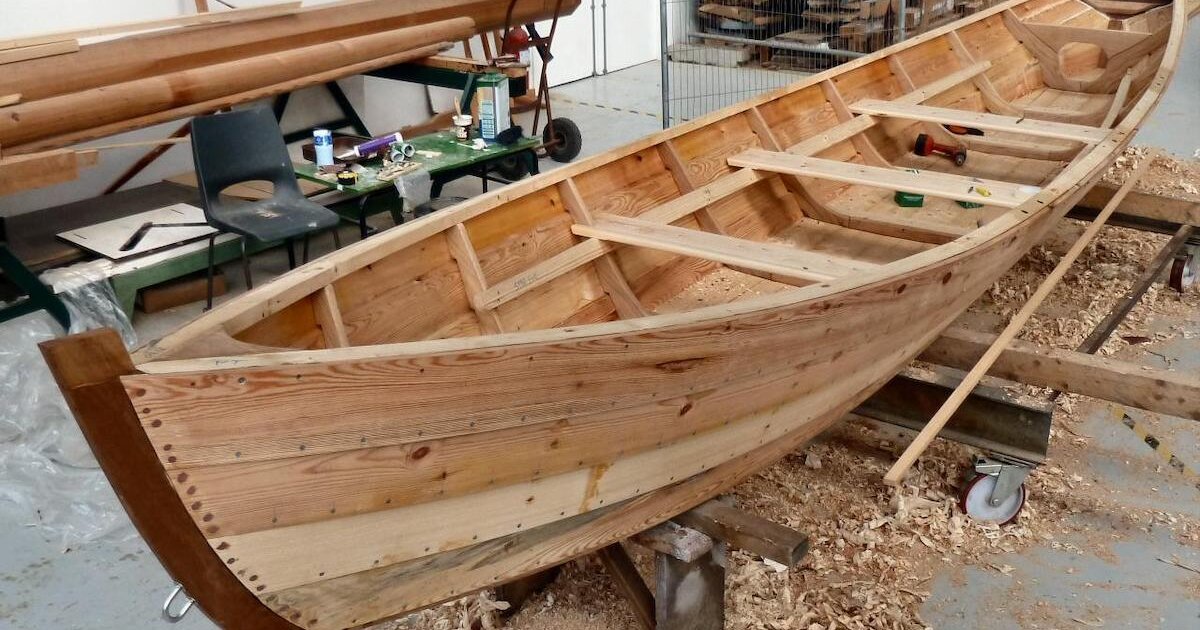
Beyond the Blueprint: Unveiling the Unexpected in Boat Building
Building a boat from plans and kits is a rewarding, albeit challenging, endeavor. While countless guides detail the technical aspects, we often overlook the less tangible, yet equally crucial, elements. This article delves into those often-overlooked facets, offering new perspectives for hobbyists, professionals, and educators alike.
The Unsung Heroes: Material Selection & Sustainability
Most boat building guides focus on *what* materials to use, but rarely delve into *why* specific choices are better than others in terms of environmental impact and long-term performance. Let's explore this further.
Q: Beyond the standard plywood and fiberglass, what sustainable alternatives are gaining traction in boat building?
A: The industry is experiencing a surge in the use of recycled materials. Think reclaimed wood, repurposed plastics (e.g., HDPE), and even bio-based composites like hemp or flax fibers reinforced with bio-resins. While the availability and cost might vary, the environmental benefits and potential for unique aesthetics are significant. Research from organizations like the Sustainable Marine Foundation (https://sustainablemarinefoundation.org/) provides valuable insights into these developments. Choosing these materials can significantly reduce the carbon footprint of your project, adding a layer of ethical consideration to your build.
The Human Element: Skill Development and Community
Building a boat isn't just about following instructions; it's about the journey of skill acquisition and the fostering of community.
Q: How can boat building projects be leveraged for educational purposes beyond technical skills?
A: The process inherently teaches problem-solving, project management, and meticulous attention to detail. Furthermore, integrating boat building into educational programs can foster teamwork, collaboration, and a sense of accomplishment. Consider incorporating elements of design thinking, allowing students to contribute creatively to the design process, resulting in unique and personalized boats. This approach transforms the project from a mere skill-building exercise into a holistic learning experience.
Q: How can builders leverage online communities and forums to enhance their experience?
A: Online communities are invaluable resources. They offer a platform for sharing experiences, troubleshooting problems, and even finding collaborators. Platforms like Reddit's r/boatbuilding or dedicated forums for specific boat types can connect you with seasoned builders who can provide invaluable advice and support. The human connection can significantly alleviate the stress and frustration often associated with complex projects.
Beyond the Manual: Designing for Adaptability and Personalization
While plans and kits provide a framework, they shouldn't stifle creativity. Let's explore the possibilities of customization and adaptation.
Q: How can builders adapt existing plans to suit their specific needs and resources?
A: Don't be afraid to modify plans! Perhaps you have access to a unique type of wood, or you want to incorporate specific features not included in the original design. With proper understanding of boat construction principles, adaptations can be made safely and effectively. This requires a solid grasp of fundamental boat design principles and a willingness to experiment â€" always prioritizing safety.
Story Time:
I once met a builder who adapted a small dinghy plan using reclaimed wood from an old barn. The resulting boat, while not perfectly matching the original design, became a unique testament to his creativity and resourcefulness, reflecting his personal story in its very construction.
The Unexpected Challenges: Troubleshooting and Problem-Solving
Even with meticulous planning, unexpected problems will arise. It’s how you handle them that defines the experience.
Q: What are some unconventional troubleshooting techniques that builders can employ?
A: Sometimes, the solution lies outside the realm of traditional boat building techniques. For instance, a problem with hull alignment might be solved using innovative clamping techniques or even 3D-printed jigs. Thinking outside the box, using resources from other fields like engineering or even art, can often unlock creative solutions to seemingly insurmountable challenges.
Building a boat is more than just carpentry; it's a journey of learning, creativity, and community. By embracing the unexpected and exploring unconventional approaches, you can transform the process into a truly enriching experience.
0 comments:
Post a Comment
Note: Only a member of this blog may post a comment.